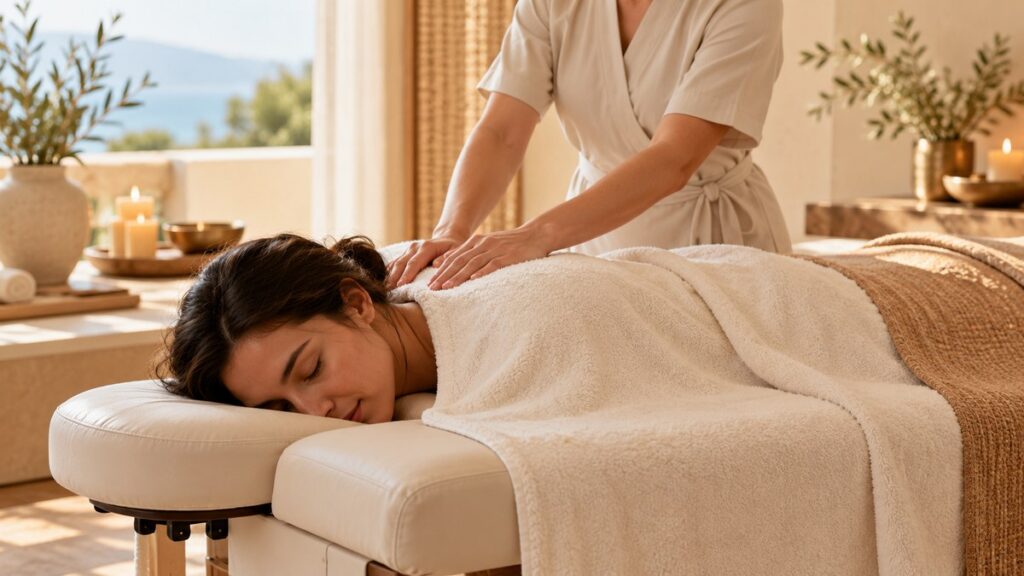
Soreness After Massage: Comfort, Pressure and When to Seek Help
Content and links reviewed on 22 October 2026.
Soreness after massage can prompt a useful question: is the pressure appropriate for you, or does the symptom need assessment before another session? Some people feel temporarily tender after bodywork, but pain is not proof that a treatment worked. Severe, worsening or unusual symptoms should not be dismissed as normal recovery.
This guide helps you describe the sensation, discuss pressure with a trained practitioner and decide when to seek medical help. It focuses on ordinary wellness massage. Massage after surgery, during a medical condition or for an unexplained swollen area needs a more specific plan from the relevant healthcare professional.
For an individual discussion, explore our massage suitability consultation.
Book a consultation on WhatsApp
Soreness after massage is feedback, not a target
A session should be adjusted to your comfort and health. If the pressure is painful, say so during the treatment rather than assuming you must tolerate it to benefit. Stronger pressure is not automatically more effective or more appropriate.
NCCIH notes that massage includes many techniques and that the evidence varies by condition. It also describes rare serious adverse effects, particularly with vigorous massage or in people at increased risk. That is a reason for careful assessment, not a reason to fear every mild sensation.
Before booking, describe what you want from the session: relaxation, a discussion of muscle discomfort or help choosing an appropriate service. A vague request to work out all the knots may encourage a pressure level that does not match your needs.
Describe the sensation clearly
Note where the discomfort is, when it started and whether it is improving or worsening. Is it a mild general tenderness, a sharp focal pain, burning, numbness or a change in swelling? These descriptions are more useful than saying that you feel detox symptoms.
Mention bruising, skin changes or a new limitation in movement. If there was an injury, recent exercise or pain before the appointment, include that too. Symptoms appearing after massage are not automatically caused by massage, but the timing is important to report.
Avoid repeatedly pressing a sore area to test it. That can make monitoring less clear. A brief description and, if appropriate, a photograph of visible changes may help a healthcare professional decide what assessment is needed.
Pressure should be a conversation throughout the session
Tell the therapist about sensitive areas and agree how you will signal discomfort. You can ask for lighter pressure, a change of technique or a pause. There is no need to wait until the session ends to say that something hurts.
If a previous massage left you uncomfortable, explain what happened before the next booking. Include the area, intensity and how long the symptoms lasted. Ask whether the planned technique should be modified or whether medical clearance is needed first.
Maderotherapy, deep-tissue techniques and gentler wellness massage are not interchangeable. A practitioner should explain the proposed approach and its limitations. Bruising or pain should not be marketed as evidence that fat is being removed or toxins are leaving the body.
| What you notice | Useful response | What to avoid |
|---|---|---|
| Pressure feels painful during treatment | Ask for a change or pause | Enduring pain as a success test |
| Mild tenderness afterwards | Monitor and follow individual advice | Aggressively massaging it again |
| Worsening pain or unusual swelling | Seek medical advice | Calling it detox without assessment |
| Chest pain or breathing difficulty | Get emergency help | Waiting for the next appointment |
Health information that can change the plan
Share relevant medical conditions, pregnancy, recent surgery, injuries, skin infections, bleeding problems and medicines that affect bleeding risk. Tell the practitioner about unexplained swelling, known clots, fragile bones or reduced sensation. Do not assume a wellness form covers every detail you need to mention.
Do not stop a prescribed medicine to make a massage possible. The therapist and your healthcare professional can discuss suitability and modifications where appropriate. If the answer is to postpone, that can be the most useful outcome of the consultation.
If you are under medical care for pain, ask whether massage fits the treatment plan. It should not delay diagnosis or replace a recommended assessment. A relaxing session and treatment of a medical problem are different goals.
Keep the rest of the day comfortable
Follow the advice given for the specific session and your health. Choose ordinary, comfortable activity rather than forcing an intense workout to loosen a painful area. Avoid booking another strong treatment immediately to fix discomfort without first understanding it.
Drink normally according to your needs and any medical restrictions. There is no need to force large quantities of water to flush toxins after massage. If you feel unwell, focus on the symptoms and seek appropriate advice rather than trying a detox routine.
If mild discomfort does not settle as expected or you are unsure about it, contact the practitioner or a healthcare professional before rebooking. A useful response should ask about the symptom and explain next steps, rather than reassure you automatically that all soreness is beneficial.
Symptoms that should not wait for another booking
Seek prompt medical advice for significant or worsening pain, spreading redness, marked swelling, numbness, weakness or signs of infection. A newly swollen, warm and painful leg needs assessment rather than more massage.
Chest pain, difficulty breathing, collapse or other severe symptoms require emergency help. Do not wait for a salon or clinic reply in an emergency. This article cannot determine the cause or urgency from a description alone.
Shape Zoom Polyclinic in Al Safa 2, Dubai, offers consultation-led discussion of wellness services with Dr. Niloofar. Bring your goals and relevant health history so the appropriate pathway can be considered. The priority is a suitable, comfortable plan, including referral or postponement when needed.
Book a consultation on WhatsApp
Frequently asked questions
Does soreness mean the massage worked?
No. Discomfort does not prove benefit. The pressure and technique should suit your health and comfort rather than aim to make you sore.
Should I ask for stronger pressure next time?
Not because you were sore. Explain the response and discuss whether lighter pressure, a different approach or medical assessment is more appropriate.
Do I need to flush toxins with extra water?
There is no need to force fluids for a detox claim. Drink according to your normal needs and any medical guidance you have been given.
Can I have massage over a swollen painful leg?
Unexplained swelling and pain need medical assessment first. Do not massage the area while trying to establish what is causing the symptoms.
Is post-surgery massage the same as wellness massage?
No. It requires a specific plan and clearance from the relevant surgical team. An ordinary wellness session should not substitute for postoperative advice.
Related reading
Sources and further information
Consultation and next steps
For an individual discussion, review our massage consultation. Shape Zoom Polyclinic is located in Al Safa 2, Dubai. Confirm the provider, suitability, treatment plan, full cost and follow-up before agreeing to a procedure.
This article provides general information and does not replace individual medical advice. Suitability, risks and results vary. Cover image is an AI-generated editorial illustration, not a patient or treatment result.