

How to Prepare for Your First Dermal Filler Appointment in Dubai
Booking your first filler appointment can feel exciting and a little intimidating—especially in Dubai, where busy schedules, beach season, and high aesthetic standards often motivate people to seek subtle, natural-looking refreshment. The good news: the best outcomes typically start with smart dermal filler preparation and a thorough filler consultation—not last-minute decisions.
At ShapeZoom Polyclinic in Dubai, we focus on medically guided, personalized care plans designed to support balanced facial harmony rather than “overfilled” results. If you’re exploring dermal fillers for the first time, this guide explains what to do before fillers, what to bring to your appointment, which questions to ask, and how to plan your schedule around swelling or bruising.
Why Preparation Matters for Dermal Fillers in Dubai
Dermal fillers are considered minimally invasive and typically involve little to no downtime. However, preparation helps reduce avoidable side effects (like bruising), improves comfort, and supports a predictable recovery—important if you have work meetings, travel, or social events.
Dubai’s lifestyle can also influence your plan. Heat, sun exposure, gym routines, and dehydration from air-conditioned environments may affect swelling and skin sensitivity. Proper dermal filler preparation is essentially risk management: you’re optimizing the conditions for a smooth procedure and recovery.
Understanding Dermal Fillers: What They Are and What They Can (and Can’t) Do
What are dermal fillers?
Dermal fillers (injectable gels placed under the skin) are designed to restore volume, soften lines, and enhance facial contours. The most commonly used fillers are hyaluronic acid (HA) (a sugar molecule naturally found in the skin that attracts water and supports hydration and volume).
Common treatment areas
- Cheeks: Designed to restore mid-face volume and lift.
- Lips: Designed to enhance shape, balance, and hydration.
- Nasolabial folds: Designed to soften smile lines.
- Jawline and chin: Designed to improve definition and profile balance.
- Tear trough (under-eye): For selected patients, designed to reduce the appearance of hollowness (requires advanced assessment).
What fillers cannot do
Fillers do not replace surgery for significant skin laxity, and they do not stop aging. They can, however, be part of a broader plan that may include skin quality support and other rejuvenation treatments depending on your goals and clinician’s assessment.
Before Fillers: Who Is a Good Candidate (and Who Should Wait)
Most healthy adults can be candidates for fillers, but timing and medical history matter. In Dubai, reputable clinics follow DHA-aligned standards and will screen for risks before treatment.
You may be a suitable candidate if you:
- Want subtle enhancement: Natural improvement rather than a dramatic change.
- Have realistic expectations: Understanding that results vary by anatomy and product choice.
- Can follow aftercare: Including temporary exercise and heat restrictions.
You may need to postpone or avoid fillers if you:
- Are pregnant or breastfeeding: Fillers are generally deferred due to limited safety data.
- Have active skin infection: Such as acne flare, cold sore outbreak (especially for lips), or dermatitis in the area.
- Have uncontrolled autoimmune disease: Requires careful individualized assessment.
- Have a history of severe allergy (anaphylaxis): Your clinician may recommend additional precautions or alternative approaches.
- Recently had dental work: Some clinicians prefer spacing dental procedures and fillers to reduce infection risk (timing depends on the type of dental work and area treated).
Dermal Filler Preparation Timeline: What to Do and When
2 weeks before your appointment
- Plan your calendar: Avoid scheduling fillers right before weddings, major work presentations, or travel. While many patients look normal quickly, bruising can occur.
- Review your medical history: Note prior fillers, surgeries, allergies, cold sores, autoimmune conditions, and medications.
- Consider complementary options: If your goal is overall glow or texture improvement, ask whether a combined plan with skin rejuvenation treatments makes sense for you.
7 days before fillers
Always follow your clinician’s instructions, especially if you take prescription medications. In general, for many patients, bruising risk can be influenced by certain supplements and medications.
- Discuss blood-thinning agents with your clinician: Examples include aspirin, non-steroidal anti-inflammatory drugs (NSAIDs), and prescription anticoagulants. Do not stop prescribed medication unless your treating doctor approves.
- Be cautious with supplements: Some patients choose to pause supplements associated with bruising (e.g., fish oil, vitamin E, ginkgo, garlic supplements). Confirm with your clinician first.
- Hydrate well: Dubai’s heat and indoor air-conditioning can contribute to dehydration, which may affect skin comfort and recovery.
48 hours before fillers
- Avoid alcohol if possible: Alcohol can increase flushing and may worsen bruising for some people.
- Limit intense workouts: Strenuous exercise close to the appointment can increase blood flow and may increase bruising risk.
- Manage cold sores (if prone): If you get herpes labialis (cold sores), tell your clinician—preventive antiviral medication may be considered for lip treatments.
The day of your appointment
- Arrive with a clean face: Avoid heavy makeup if possible.
- Eat a light meal: Helps reduce lightheadedness.
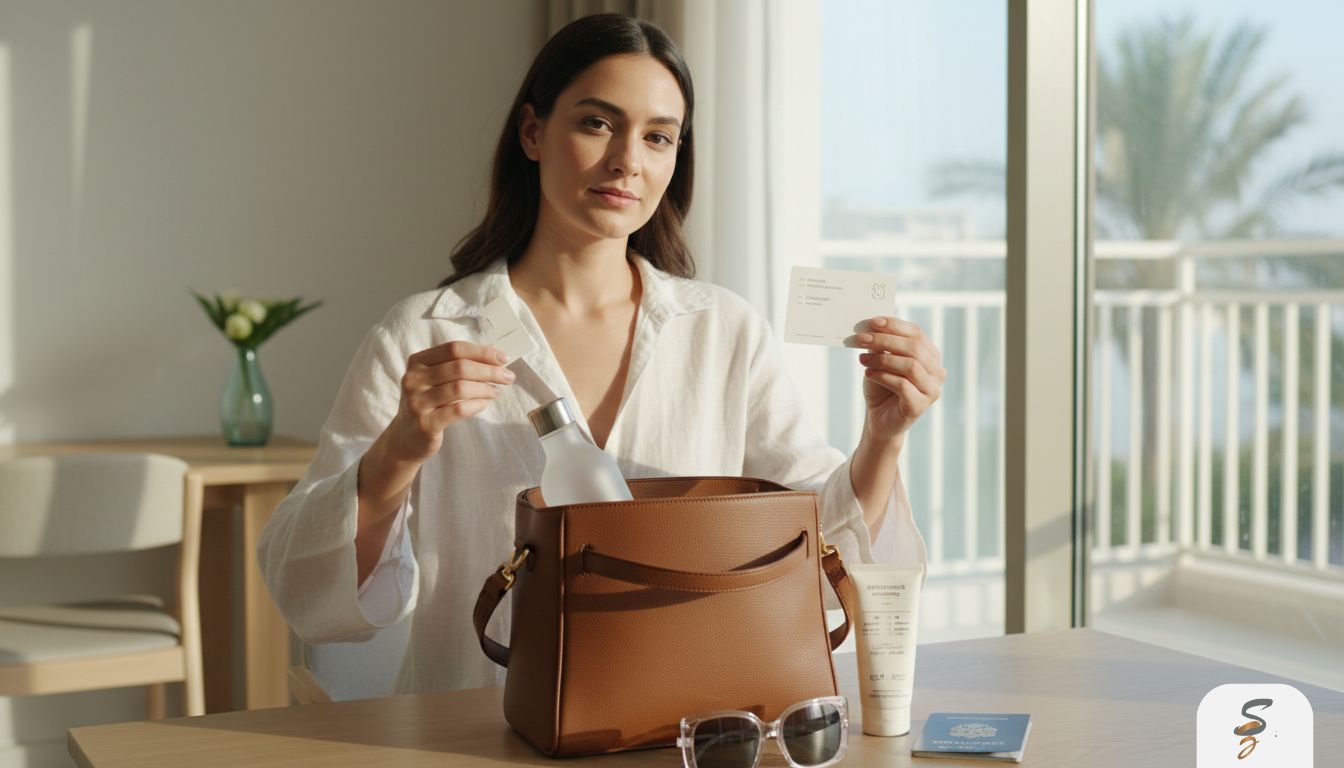
- Bring your information: A list of medications, supplements, allergies, and previous aesthetic treatments.
- Wear comfortable clothing: Avoid tight collars if treating jawline/neck areas.
What Happens During a Filler Consultation in Dubai
A high-quality filler consultation should feel structured and unrushed. In Dubai, clinics operating under recognized standards typically follow a medical intake and consent process designed to protect patient safety.
What your clinician should assess
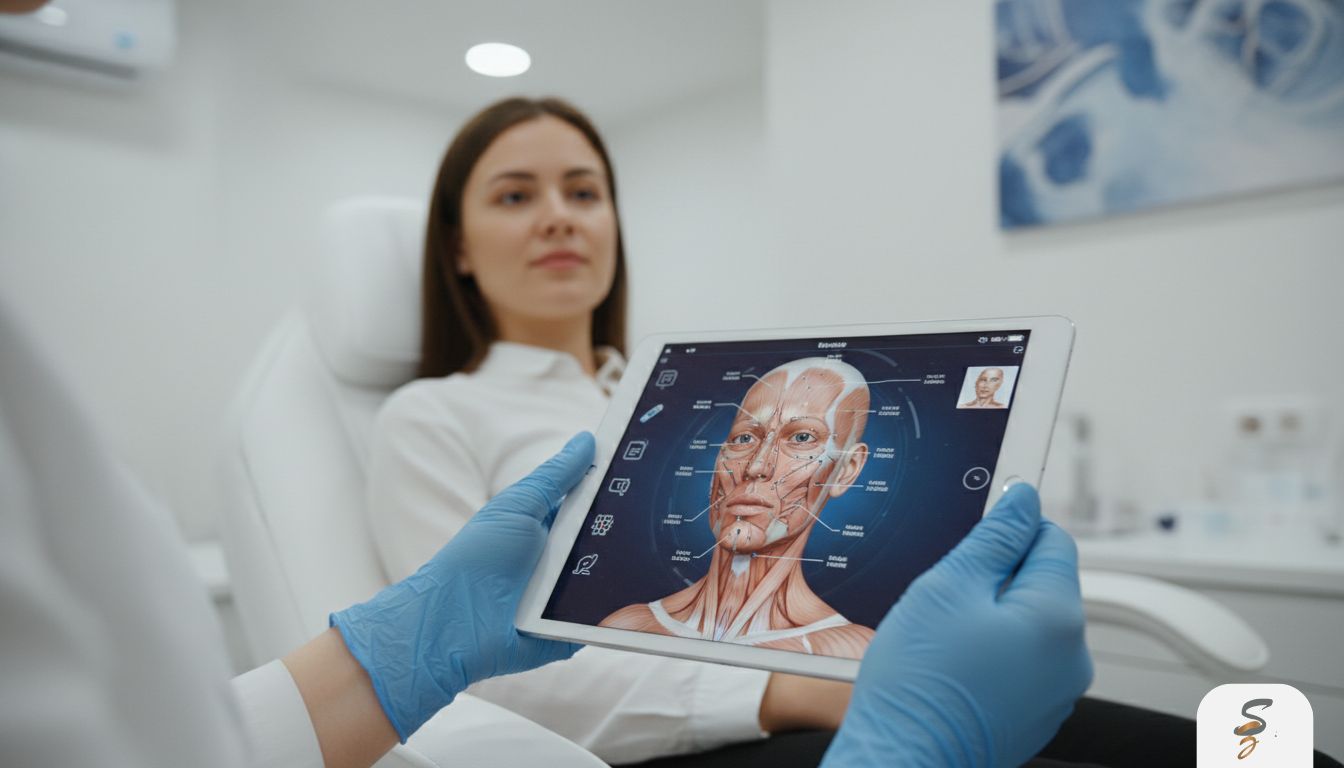
- Facial anatomy and proportions: Bone structure, fat compartments, and symmetry.
- Skin quality: Elasticity, hydration, sun damage, and acne scarring.
- Dynamic movement: How your face moves when you smile or speak (important for natural results).
- Medical suitability: Allergies, medications, previous filler history, and risk factors.
Questions to ask during your consultation
- Which filler type is recommended and why? (e.g., different HA densities for cheeks vs. lips)
- How many syringes might be needed? (A conservative plan is often best for first-timers.)
- What are the common side effects? Swelling, tenderness, bruising.
- What are rare but serious risks? Including vascular occlusion (blockage of a blood vessel) and how the clinic manages it.
- What aftercare should I follow in Dubai’s climate? Heat, sun, and gym guidance.
If you’re still deciding, reviewing the clinic’s approach to facial dermal fillers can help you understand typical indications, areas treated, and the overall philosophy of natural-looking enhancement.
The Procedure: Step-by-Step What to Expect
1) Cleansing and preparation
Your skin is cleaned, and an antiseptic is applied. Photos may be taken for medical documentation and progress tracking.
2) Numbing options
Many fillers include lidocaine (a local anesthetic). A topical numbing cream may also be used, especially for lips.
3) Injection technique
Your clinician may use a needle or a cannula (a blunt-tipped instrument designed to reduce bruising in certain areas). The choice depends on anatomy, area treated, and safety considerations.
4) Shaping and reassessment
The clinician may gently massage the area and reassess symmetry. Many practitioners prefer a conservative approach for first-time patients, with the option to refine at a follow-up.
5) Aftercare instructions
You’ll receive guidance on swelling, bruising, makeup, exercise, and when to contact the clinic.
| Treatment | Typical Duration | Recovery | Typical Cost (AED) |
|---|---|---|---|
| Lip filler (HA) | 20–45 minutes | Swelling 24–72 hours; bruising possible up to 7–10 days | 1,200–2,500+ |
| Cheek filler (HA) | 20–45 minutes | Mild swelling; bruising possible | 1,500–3,000+ |
| Nasolabial fold filler | 20–40 minutes | Minimal downtime; bruising possible | 1,500–3,000+ |
| Jawline/chin contouring | 30–60 minutes | Mild tenderness; swelling possible | 2,000–5,000+ |
Note: Pricing in Dubai varies based on product brand, injector expertise, number of syringes, and complexity. Exact costs should be confirmed after an in-person assessment.
After Your Appointment: Recovery Tips for Dubai’s Climate
Most patients return to normal activities the same day. Still, planning your aftercare is part of smart dermal filler preparation, particularly if you’re heading back to work or out in Dubai’s heat.
What’s normal after fillers
- Swelling: Often peaks within 24–48 hours (especially lips).
- Bruising: Can occur and may take several days to fade.
- Tenderness: Mild soreness at injection sites is common.
- Temporary asymmetry: Often related to swelling and settles as inflammation reduces.
General aftercare guidance (follow your clinician’s instructions)
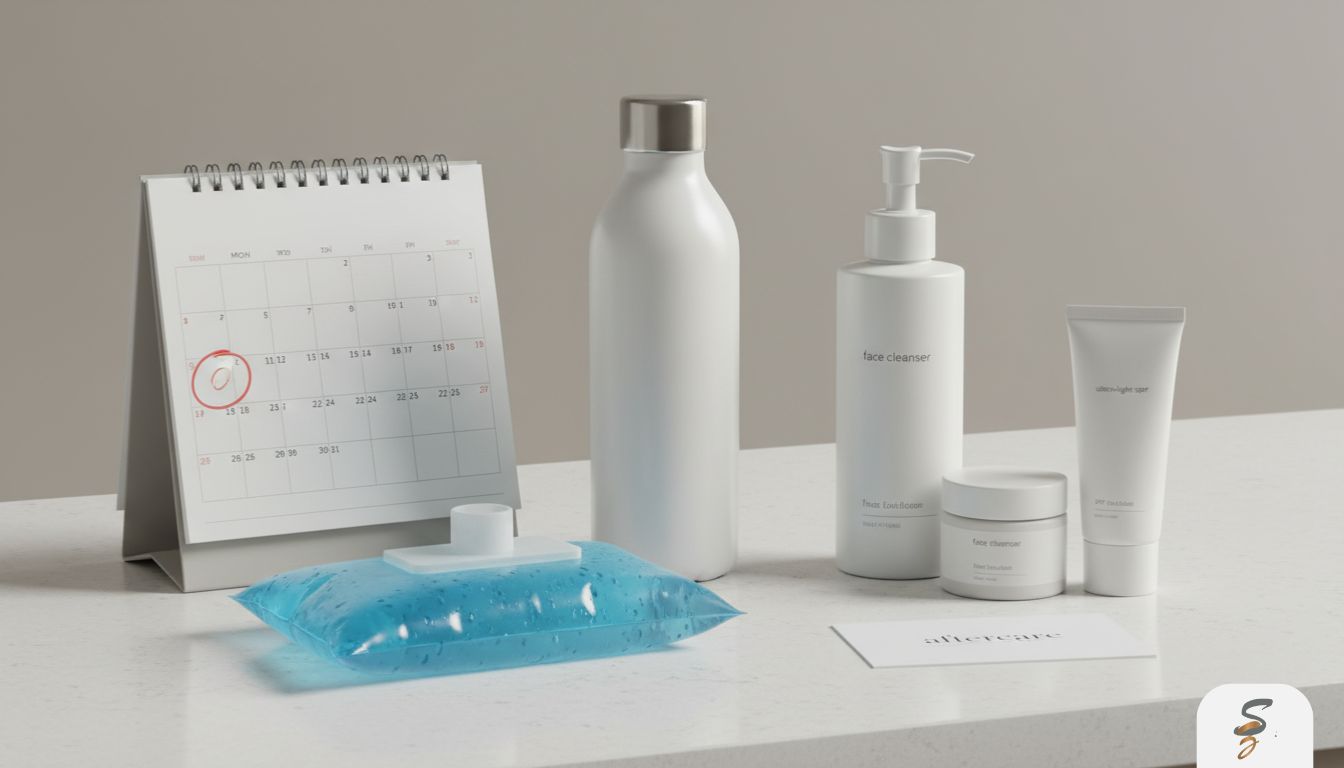
- Avoid intense exercise for 24–48 hours: Helps reduce swelling and bruising risk.
- Limit heat exposure: Avoid sauna/steam rooms and very hot showers for 24–48 hours. Dubai summer heat can also intensify swelling—plan accordingly.
- Be gentle with skincare: Avoid aggressive facials, peels, or devices on treated areas for at least 1–2 weeks unless your clinician advises otherwise.
- Use cold compresses carefully: If recommended, brief cold compresses may reduce swelling (do not apply ice directly to skin).
- Avoid pressure on treated areas: For example, avoid facial massages or sleeping face-down initially.
Benefits and Expected Results (Realistic Outcomes)
Dermal fillers are designed to create balanced, refreshed features with minimal interruption to your routine. Results vary based on anatomy, product, injection technique, and aftercare.
- Benefit: Immediate visible improvement in volume and contour, with refinement as swelling settles.
- Benefit: Non-surgical approach with minimal downtime for many patients.
- Benefit: Customizable plan—often built gradually to maintain natural proportions.
- Benefit: HA fillers are generally reversible using hyaluronidase (an enzyme that can dissolve HA filler) when clinically appropriate.
Many patients see their “final” look once swelling has settled—often within 1–2 weeks. Longevity can range from several months to over a year depending on the area treated, metabolism, and product choice. Your clinician will guide you on maintenance planning.
Pricing in Dubai: What Affects the Cost of Fillers?
In Dubai, filler pricing is typically based on the product used and the number of syringes required. While it can be tempting to shop purely by price, safety and expertise matter—fillers are medical devices and should be administered by trained professionals.
Factors that influence cost (AED)
- Filler brand and type: Different HA formulations are designed for different depths and areas.
- Number of syringes: Full-face balancing may require more than treating a single area.
- Injector experience: Advanced anatomy knowledge and complication management training are essential.
- Complexity of the case: Under-eye, corrective work, or post-surgical anatomy often requires more expertise.
As a general guide, many Dubai clinics price filler treatments from approximately 1,200 AED to 5,000+ AED depending on the area and amount used. Your exact plan should be confirmed after an in-person filler consultation.
Safety First: Risks, Red Flags, and DHA-Aligned Standards
When performed by qualified clinicians using approved products, fillers have a strong safety profile. Still, every medical procedure carries risk.
Common side effects
- Bruising and swelling
- Redness and tenderness
- Small lumps (often temporary and related to swelling)
Rare but serious complications
- Infection (increased risk with poor aftercare or untreated skin conditions)
- Allergic reaction
- Vascular occlusion (requires urgent recognition and management)
Seek urgent medical attention if you notice:
- Severe pain that is worsening
- Blanching/paleness or a net-like discoloration of skin
- Vision changes
- Increasing swelling with fever
In Dubai, always choose a clinic that prioritizes medical evaluation, informed consent, sterile technique, and clear emergency protocols.
Why Choose ShapeZoom Polyclinic in Dubai?
Patients in Dubai often want results that look refreshed—not “done.” At ShapeZoom Polyclinic, our approach is grounded in medical assessment, facial harmony, and patient education.
- 17+ years of experience: A long-standing focus on patient safety and evidence-based care.
- Personalized care plans: Treatment is tailored to your anatomy, goals, and lifestyle.
- Whole-person approach: We consider skin health, hydration, and wellness habits that influence outcomes.
- Nutrition expertise: Dr. Niloofar’s nutrition background supports patients who want a broader plan for healthy aging and confidence.
If you are considering a comprehensive approach—combining injectable dermal fillers with other modalities—your clinician may discuss options from our broader menu of non-surgical rejuvenation treatments depending on your skin quality and goals.
Schedule Your Consultation
Our specialists are ready to help you achieve your goals with a personalized, medically guided plan designed for natural-looking results.
Frequently Asked Questions
Is this treatment safe?
When performed by qualified clinicians using approved products and sterile technique, dermal fillers are generally considered safe. However, risks exist, including bruising, swelling, infection, and rare complications such as vascular occlusion (blood vessel blockage). In Dubai, choose a clinic that follows DHA-aligned clinical standards and provides a thorough medical screening and consent process.
What should I avoid before fillers to reduce bruising?
For many patients, “before fillers” guidance includes avoiding alcohol for 24–48 hours and discussing any blood-thinning medications or supplements with your clinician. Do not stop prescribed medication without approval from your treating doctor. Good dermal filler preparation also includes hydration and avoiding intense workouts right before treatment.
Will I look swollen after my first appointment?
Some swelling is common, especially in the lips, and often peaks within 24–48 hours. Most patients feel comfortable returning to work quickly, but if you have an important event in Dubai, schedule your appointment at least 1–2 weeks in advance to allow swelling or bruising to settle.
How do I choose between fillers and other rejuvenation options?
Fillers address volume loss and contour. If your main concern is skin texture, pigmentation, or overall glow, your clinician may recommend combining or sequencing fillers with other rejuvenation treatments. The best choice depends on your facial assessment, skin quality, and goals discussed during your filler consultation.
How long do dermal fillers last?
Longevity varies by area, product, and individual metabolism. Some areas (like lips) may wear off sooner than structural areas (like cheeks). Your clinician will explain what to expect and how maintenance plans are typically scheduled for patients in Dubai.
Can fillers be dissolved if I don’t like the result?
Many hyaluronic acid fillers can be adjusted or dissolved using hyaluronidase (an enzyme that breaks down HA filler) when clinically appropriate. This is one reason HA fillers are commonly used for first-time patients, but dissolving should only be done by qualified medical professionals.
How soon can I do other treatments after fillers?
Timing depends on the treatment type. Some procedures may be done the same day or within days, while others should be spaced out to reduce irritation and swelling. If you’re planning additional dermal filler areas or other aesthetic rejuvenation treatments, ask your clinician to create a safe, staged schedule.
Conclusion: Your Best Results Start with Smart Preparation
Your first filler appointment should feel informed, calm, and medically guided. With good dermal filler preparation, a detailed filler consultation, and clear “before fillers” and aftercare steps, you can support natural-looking outcomes that fit your lifestyle in Dubai—whether you’re prepping for business meetings, travel, or beach season.
Ready to transform your health? Contact Shape Zoom Polyclinic today at +971 4 338 9684 or visit us in Dubai to book your consultation.