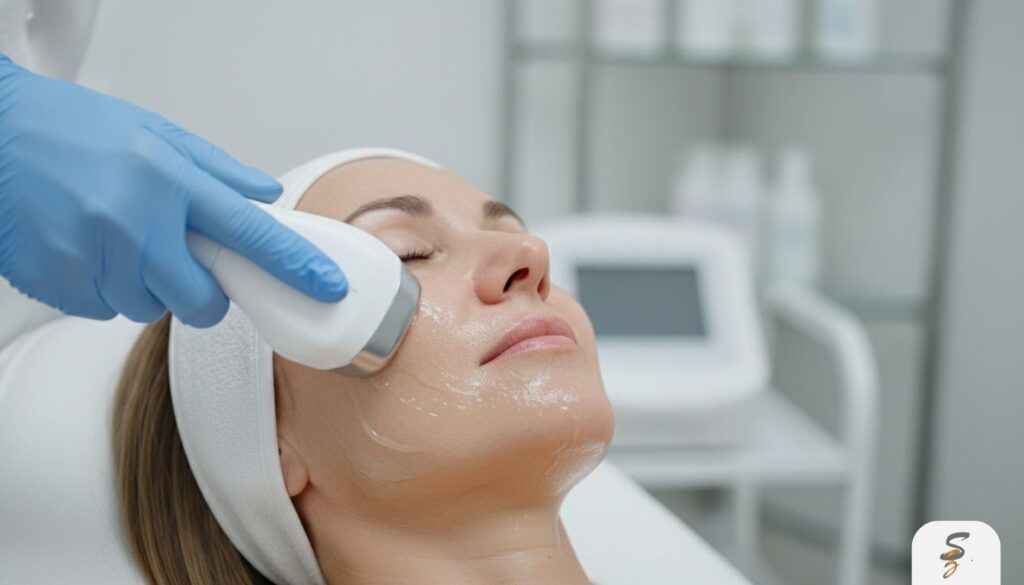
Facial Treatments Compared: Choosing by Skin Concern
Content and links reviewed on 22 October 2026.
Facial treatments should be selected for the skin concern and current skin condition. Cleansing, exfoliation, hydration and procedures have different purposes, and active acne, irritation or an unusual lesion may need assessment before a cosmetic facial.
Skin concerns and your environment
Living in Dubai means your skin faces unique challenges that most international skincare guides don’t fully address. The combination of extreme UV exposure, low humidity, air conditioning everywhere, and hard water can leave skin looking and feeling depleted year-round. Common skin concerns seen in Dubai’s clinics include:
- Sun damage and hyperpigmentation from intense UV radiation year-round
- Dehydration and dullness caused by air conditioning and low humidity
- Premature aging including fine lines, loss of elasticity, and uneven texture
- Acne and enlarged pores triggered by heat, sweat, and pollution
- Uneven skin tone resulting from sun spots, melasma, or post-inflammatory marks
These concerns have different causes. A skin assessment helps distinguish a cosmetic concern from a condition that needs diagnosis or treatment before a facial.
Facial treatment categories to discuss
Ask which treatment, if any, addresses the concern you want to improve, what evidence supports it and what recovery and risks apply to you.
Chemical Peels
Chemical peels use controlled acid solutions to exfoliate the outer layers of skin, revealing fresher, more evenly toned skin underneath. In Dubai’s climate, lighter superficial peels are popular for maintenance, while medium-depth peels can be used to target deeper pigmentation and sun damage during cooler months. Best for: Hyperpigmentation, uneven skin tone, acne scars, and fine lines.
Microneedling (Collagen Induction Therapy)
Microneedling involves using fine needles to create controlled micro-injuries in the skin, stimulating the body’s natural collagen production. The result is firmer, smoother, and more youthful-looking skin over a series of sessions. Best for: Fine lines, acne scars, enlarged pores, and skin laxity.
Laser Skin Rejuvenation
Laser treatments can address a wide range of concerns—from sunspots and pigmentation to skin texture and redness. At ShapeZoom, our advanced technology treatments include laser-based options that are tailored to Dubai’s diverse skin tones, including medium and deeper complexions. Best for: Sun damage, pigmentation, vascular concerns, and overall skin rejuvenation.
LED Light Therapy
LED therapy uses specific wavelengths of light to target different skin concerns. Red light stimulates collagen and reduces inflammation, while blue light is effective for acne-causing bacteria. It’s gentle, non-invasive, and often combined with other treatments for enhanced results. Best for: Acne, inflammation, post-treatment recovery, and anti-aging maintenance.
Procedure Details: What to Expect at ShapeZoom Polyclinic
Before Your Treatment (Preparation)
- Skin assessment: Your clinician will evaluate your skin type, concerns, and medical history to recommend the most appropriate treatment.
- Pre-treatment instructions: Depending on the treatment, you may be advised to avoid certain skincare ingredients (like retinol or AHAs) or sun exposure in the days before your appointment.
- Medication review: Any medications that affect skin sensitivity (such as Accutane or certain antibiotics) will be noted and factored into your plan.
During Your Treatment
- Cleansing and prep: The skin is thoroughly cleansed before any treatment begins.
- Personalized application: Settings, products, and techniques are adjusted for your specific skin type and concern.
- Comfort monitoring: Your comfort is monitored throughout, and adjustments are made as needed.
After Your Treatment (Recovery)
- Redness and sensitivity: Mild redness or sensitivity is normal after many treatments and typically resolves within a few hours to a few days.
- Sun protection: SPF is non-negotiable after any facial treatment, particularly in Dubai’s climate.
- Follow-up care: Your clinician will recommend a home care routine and advise when to schedule your next session.
How many sessions will you need?
There is no schedule that suits every facial or skin concern. Ask what outcome will be assessed, when a review is appropriate, and what would lead the clinician to change or stop the plan. Confirm the total expected cost before buying a course.
Choosing the Right Facial Treatment for Your Skin Type
Oily / Acne-Prone Skin
- Prioritize deep cleansing facials, chemical peels, and LED blue light therapy
- Avoid heavy occlusives post-treatment that can clog pores
- Ask about salicylic acid peels for active breakouts
Dry / Dehydrated Skin
- Focus on hydration-first treatments like HydraFacial and hyaluronic-based infusion facials
- Avoid aggressive exfoliation until the skin barrier is restored
- Pair treatments with a nourishing home care routine
Aging / Sun-Damaged Skin
- Consider combination approaches: laser for pigmentation, microneedling for texture and firmness
- Collagen-stimulating treatments are especially valuable in this category
- Consistent SPF use between sessions is critical to protect results
Sensitive Skin
- Opt for gentle, non-abrasive treatments like LED therapy and enzyme facials to start
- Patch testing before chemical peels or laser is advisable
- Communicate any past reactions to your clinician upfront
Frequently Asked Questions
Are facial treatments safe for darker skin tones?
Yes, but it depends on the treatment and the expertise of the provider.
Certain laser treatments and deep chemical peels require careful calibration for medium-to-deep skin tones to minimize the risk of hyperpigmentation or discoloration. Ask about the provider’s qualifications and experience with your skin tone and the proposed procedure. Always disclose your skin tone history and any past reactions during your consultation.
How long do results last?
Results vary by treatment and individual. HydraFacial results are typically visible for 4–6 weeks. Collagen-stimulating treatments like microneedling show progressive improvement over 3–6 months as collagen remodels. Maintaining results requires a consistent homecare routine and sun protection—especially in Dubai.
Can I combine different facial treatments?
In many cases, yes. Combination protocols (for example, pairing a peel with LED therapy) can deliver enhanced results. However, the timing and sequencing of treatments should be guided by your clinician to avoid over-treating the skin or compromising the skin barrier.
Is there any downtime?
Many popular facial treatments in Dubai are designed to be low-downtime or zero-downtime, including HydraFacial and LED therapy. Chemical peels and microneedling may involve 2–5 days of visible peeling or redness, depending on the depth of treatment. Your clinician will advise you on what to expect so you can plan accordingly.
What skincare products should I use between treatments?
A simple, barrier-supportive routine is usually recommended: a gentle cleanser, a good moisturizer, and broad-spectrum SPF during the day. Specific actives (like retinol or vitamin C) may be recommended depending on your treatment plan, but these should be introduced carefully and with clinical guidance.
Can facial treatments help with melasma?
Melasma is a complex pigmentation condition often triggered by hormones and sun exposure, and it requires a carefully tailored approach. Aggressive treatments can sometimes worsen melasma. At ShapeZoom, we assess melasma cases individually and recommend protocols with appropriate safety margins. Strict daily SPF use is always a core part of melasma management.
Sources and further reading
Consultation and next steps
For an individual discussion, review our skin consultation. Shape Zoom Polyclinic is located in Al Safa 2, Dubai. Confirm the provider, suitability, treatment plan, full cost and follow-up before agreeing to a procedure.
This article provides general information and does not replace individual medical advice. Suitability, risks and results vary.