
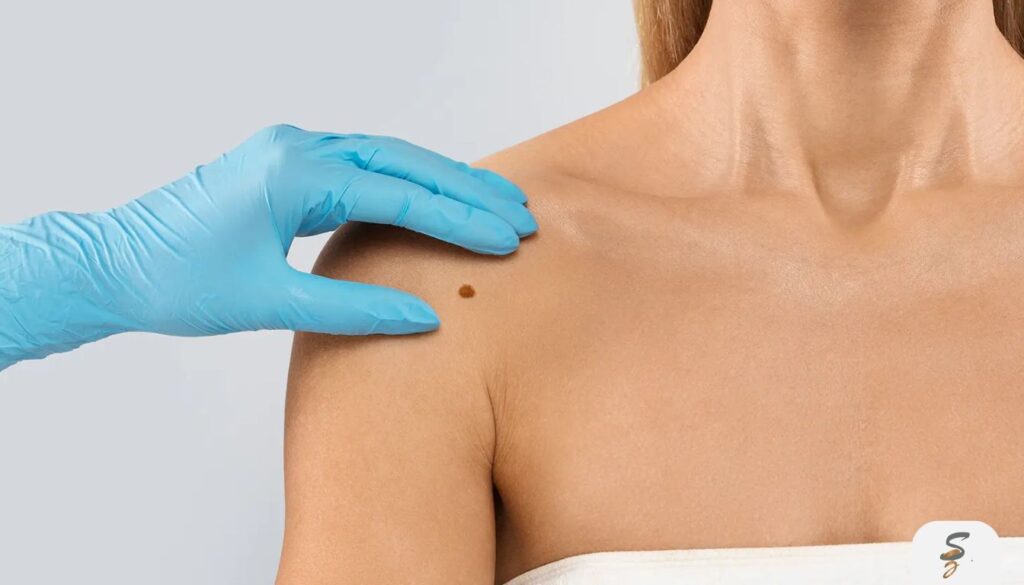
Skin Tag Removal in Dubai: Safe, Quick & Professional
Skin tags are common, harmless growths—but they can become annoying fast in Dubai’s busy lifestyle. Between long workdays, gym routines, and beach season, friction, sweat, and tight clothing can make these soft bumps catch on jewelry, collars, and underarms. Many patients also request removal for cosmetic reasons or because they’re unsure whether a growth is a skin tag, a mole, or something else.
If you’re searching for skin tag removal Dubai options, the safest approach is a medical assessment with a dermatologist Dubai patients trust—especially when the lesion is changing, bleeding, painful, or located in a sensitive area. At ShapeZoom Polyclinic, we offer professional assessment and in-clinic removal designed to be quick, precise, and minimally disruptive to your schedule. For an overview of our service, visit our skin tag removal treatment page.
Understanding Skin Tags (and Why They Happen)
Skin tags are medically called acrochordons (small, soft, skin-colored growths). They typically form in areas where skin rubs against skin or fabric, such as:
- Neck: around collars and necklaces
- Underarms: friction from movement and shaving
- Under the breasts: moisture and skin-on-skin rubbing
- Groin: friction from clothing and activity
- Eyelids: delicate skin where small tags can be noticeable
Skin tags are usually benign (non-cancerous). They may be more common with genetics, weight changes, insulin resistance, and pregnancy. Dubai’s heat and humidity can also increase sweating and friction, which may make existing tags more noticeable or irritated.
Skin Tag vs. Mole vs. Wart: Why the Difference Matters
Patients often use “tag” and “mole” interchangeably, but they are not the same. Mole removal decisions may require a different clinical approach, especially if a mole is irregular or changing. A dermatologist Dubai residents rely on can evaluate the lesion using clinical criteria and, when appropriate, dermoscopy (a magnified skin examination tool).
- Skin tags: soft, often pedunculated (on a small stalk), usually uniform in color
- Moles: can be flat or raised, often pigmented; some require monitoring or biopsy
- Warts: caused by HPV; may have a rough surface and require different treatment
When to Consider Skin Tag Removal in Dubai
Although skin tags are typically harmless, removal can be appropriate when they:
- Catch on clothing or jewelry and repeatedly tear or bleed
- Become inflamed from shaving, waxing, or friction
- Cause discomfort in underarms, groin, or bra line
- Affect confidence (common for neck and facial tags)
- Need diagnosis confirmation (to rule out look-alike lesions)
For many patients, the priority is a fast, clinic-based solution that fits into a lunch break or a busy workweek. Professionally performed skin tag removal can be a practical option with minimal interruption to daily life.
Available Treatment Options (Medical & Cosmetic)
There are several evidence-based methods used by clinicians. The best approach depends on the tag’s size, location, and your skin type, as well as whether the lesion could be a mole or another condition.
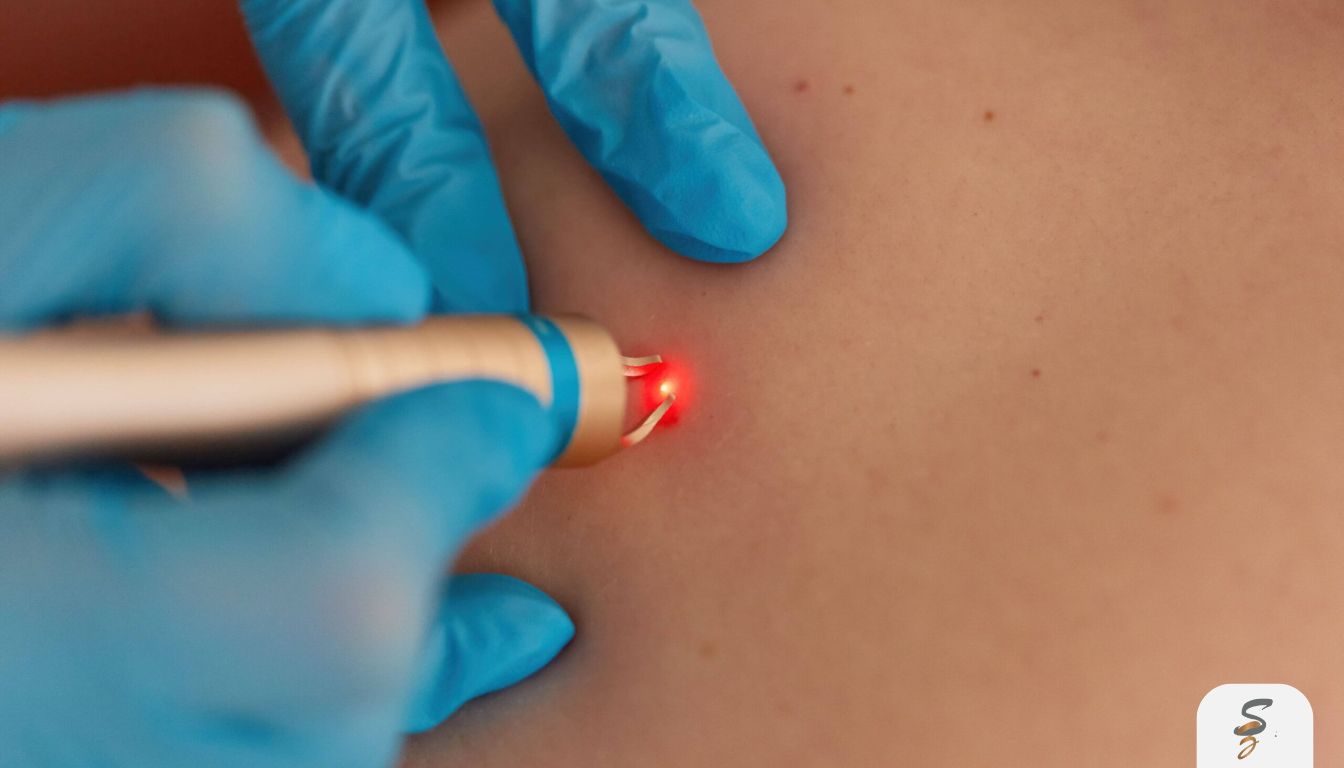
1) Snip Excision (Minor In-Clinic Removal)
This involves removing the skin tag with sterile instruments, often after applying a local anesthetic. It is commonly used for tags that are clearly defined and on a narrow stalk.
2) Electrocautery (Heat-Based Removal)
Electrocautery uses controlled heat to remove the tag and help seal small blood vessels. This can reduce bleeding and may be suitable for multiple small tags.
3) Cryotherapy (Freezing)
Cryotherapy uses a cold agent (often liquid nitrogen in dermatology settings) to freeze the tissue. It may require careful technique in darker skin tones to reduce the risk of temporary pigment changes.
4) Laser-Based Removal (Selected Cases)
Some clinics use laser for certain benign lesions. Your clinician will advise if this is appropriate based on lesion type, skin type, and location.
What to Expect During Your Appointment at ShapeZoom Polyclinic
We aim to keep the process efficient and comfortable, while maintaining high clinical standards in line with Dubai healthcare expectations. While specific steps vary by case, a typical visit includes:
Step 1: Consultation and Skin Assessment
Your clinician will examine the lesion(s), confirm whether they are skin tags, and discuss options. If there is any uncertainty (for example, a lesion resembling a mole), the clinician will advise the safest approach, which may include mole removal planning or histopathology (lab analysis) when clinically indicated.
Step 2: Preparation and Comfort Measures
Depending on size and location, we may use a topical numbing agent or a small amount of local anesthetic. The goal is to reduce discomfort while keeping the procedure quick.
Step 3: Removal Technique
The clinician performs removal using the method best suited to your lesion (snip excision, electrocautery, or cryotherapy). For multiple tags, treatment may be staged or completed in one session depending on skin sensitivity and time.
Step 4: Aftercare Guidance
You’ll receive clear instructions on cleansing, avoiding friction, and monitoring healing. Most patients return to normal activities immediately, with minimal restrictions.
| Treatment | Duration | Recovery | Cost (AED) |
|---|---|---|---|
| Snip excision (minor removal) | 10–30 minutes (typical) | Usually same-day return to routine; mild tenderness possible | Approx. 250–900+ (depends on number/area) |
| Electrocautery | 10–30 minutes | Small scab may form; avoid picking and friction | Approx. 300–1,200+ (varies by count/complexity) |
| Cryotherapy (freezing) | 5–20 minutes | May blister briefly; healing over days to 2 weeks | Approx. 250–900+ (depends on number/area) |
Note: Pricing ranges are indicative for Dubai clinics and can vary based on lesion size, number of tags, location (e.g., eyelid vs. underarm), and whether lab testing is clinically recommended. A consultation provides an accurate quote.
Benefits and Realistic Outcomes
Professional removal is designed to be straightforward and time-efficient. Outcomes depend on your skin type, healing tendency, and the method used.
- Benefit: Quick in-clinic procedure that fits Dubai’s fast-paced schedules
- Benefit: Reduced irritation from shaving, friction, and sweat-prone areas (neck, underarms, groin)
- Benefit: Improved cosmetic appearance for visible areas, especially before events or beach season
- Benefit: Medical evaluation to confirm the lesion type (important when considering mole removal vs. tag removal)
- Benefit: Lower risk of infection and scarring compared with DIY methods, when performed by trained professionals
Aftercare: Healing Tips for Dubai Weather and Workdays
Dubai’s heat can increase sweating and friction, so aftercare matters—especially for underarms, neck, and groin. Your clinician will tailor instructions, but common guidance includes:
- Keep the area clean and dry: gentle cleansing; pat dry, don’t rub
- Avoid friction: choose breathable fabrics; avoid tight collars for a few days
- Don’t pick scabs: picking can increase scarring and pigment changes
- Pause aggressive exfoliation: avoid acids/retinoids on the treated area until cleared
- Sun protection: for exposed areas, sunscreen helps reduce post-inflammatory pigmentation
If you notice increasing redness, warmth, swelling, discharge, fever, or persistent pain, contact your clinic promptly for assessment.
Pricing in Dubai (AED): What Affects the Cost?
In Dubai, the cost of skin tag removal varies based on clinical factors and the time required. Common cost drivers include:
- Number of tags: single lesion vs. multiple tags in one session
- Location: eyelid and intimate areas may require extra precision
- Size and base: broader-based lesions can take longer
- Technique used: electrocautery vs. cryotherapy vs. excision
- Need for lab testing: if a lesion resembles a mole or has atypical features
As a general guide, patients may see prices starting around 250 AED for a simple single tag and increasing for multiple lesions or sensitive areas. During your consultation, we’ll provide a transparent plan and estimate based on your needs.
Why Choose ShapeZoom Polyclinic in Dubai?
Choosing where to remove a skin lesion isn’t only about convenience—it’s about safety, diagnosis, and achieving a clean cosmetic result. At ShapeZoom Polyclinic, we focus on patient-first care and clinical standards appropriate for Dubai’s regulated healthcare environment.
- 17+ years of experience: a long-standing commitment to safe aesthetic and wellness care in Dubai
- Personalized care plans: we match the technique to your lesion, skin type, and lifestyle
- Medical-led approach: evaluation matters, especially when patients are also considering mole removal or have uncertainty about a lesion
- Supportive wellness expertise: Dr. Niloofar’s nutrition expertise can complement broader skin and metabolic wellness goals when relevant
If you’re comparing options for skin tag removal Dubai residents commonly request, we encourage an in-clinic assessment so you know exactly what the growth is and the safest way to remove it. You can also review our dedicated skin tag removal service information before booking.
Schedule Your Consultation
Our specialists are ready to help you achieve your goals with a safe, clinic-based plan tailored to your skin and schedule.
Frequently Asked Questions
Is skin tag removal safe?
When performed by a qualified clinician, skin tag removal is generally safe. In Dubai, reputable clinics follow strict hygiene and infection-control standards. Safety starts with correct diagnosis—especially to distinguish a skin tag from a mole or wart. If you’re unsure what a growth is, consult a dermatologist Dubai patients rely on for accurate assessment.
Does skin tag removal hurt?
Most patients describe mild discomfort at most. Depending on the method and location, your clinician may use topical numbing or local anesthetic. Areas with thinner skin (like eyelids) may feel more sensitive, but the goal is to keep you comfortable throughout.
Is there downtime after removal?
In many cases, there is minimal to no downtime—most people return to work the same day. You may have a small scab or mild redness for several days. Your clinician will advise on gym, swimming, and sun exposure based on the treated area.
Will the skin tag grow back?
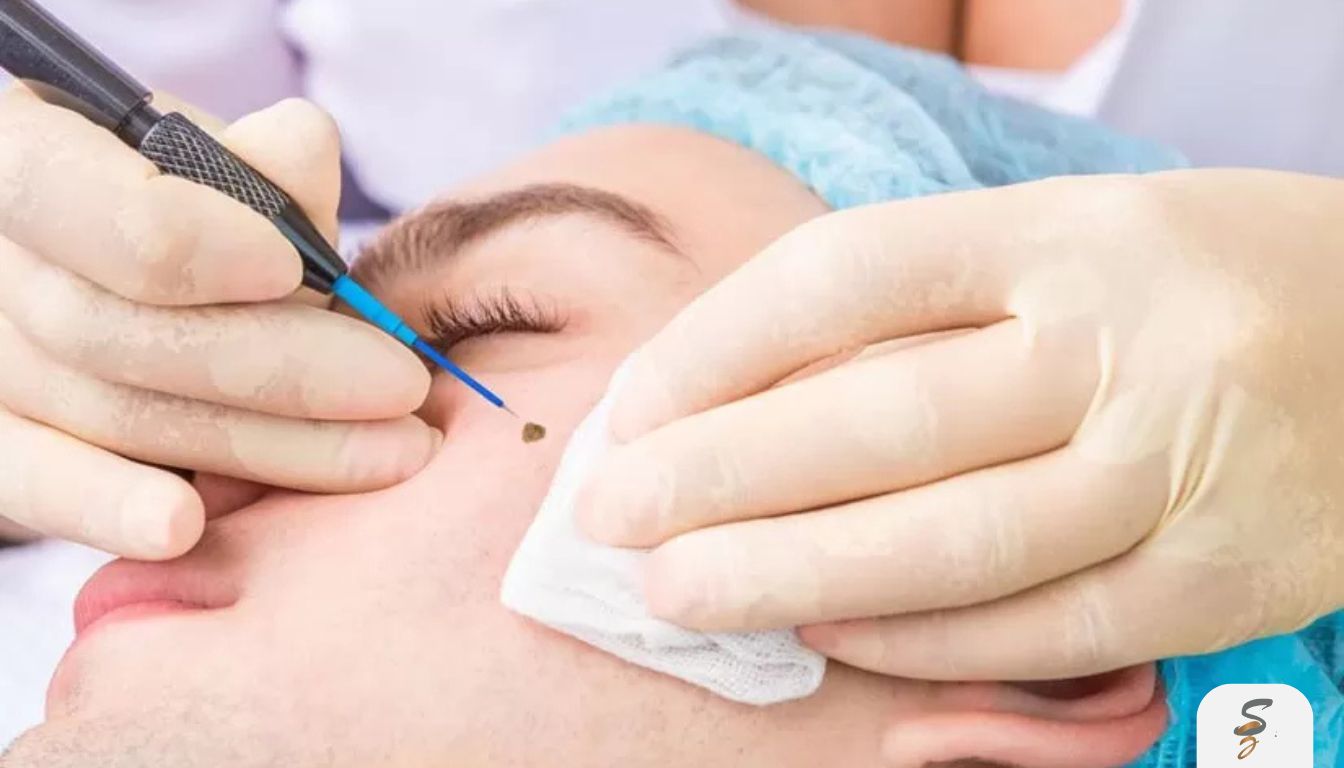
A properly removed skin tag typically does not regrow from the same spot, but new tags can develop over time in friction-prone areas. Managing irritation and friction (especially in Dubai’s heat) can help reduce future formation, though it cannot be fully prevented.
Can I remove skin tags at home?
Home removal is not recommended. Over-the-counter acids, cutting, or tying off can lead to infection, bleeding, scarring, and missed diagnosis (for example, treating a mole as a “tag”). A professional assessment and in-clinic skin tag removal plan is safer and typically faster than repeated DIY attempts.
How do I know if I need mole removal instead?
If the lesion is dark, irregular, changing, bleeding without friction, or has uneven borders, it may be a mole or another pigmented lesion. In those cases, mole removal may be discussed, and your clinician may recommend histopathology when clinically appropriate. Always seek medical review rather than assuming it’s a skin tag.
How much does skin tag removal cost in Dubai?
Costs vary by number, size, and location. Many clinics in Dubai start around 250 AED for a simple single lesion, with higher costs for multiple tags, sensitive areas, or if additional assessment/testing is needed. A consultation provides the most accurate estimate.
Conclusion: Safe, Professional Removal for Peace of Mind
Skin tags may be medically harmless, but they can be uncomfortable, cosmetically frustrating, and sometimes confusing when they resemble other lesions. A professional consultation ensures the growth is correctly identified and removed with a technique that suits your skin and lifestyle in Dubai.
If you’re ready to address unwanted tags safely and efficiently, explore our professional skin tag removal service and book an appointment for a personalized assessment.
Schedule Your Consultation
Ready to transform your health? Contact Shape Zoom Polyclinic today at +971 4 338 9684 or visit us in Dubai to book your consultation.