
Maderotherapy vs Traditional Massage: Comparing the Goals
Content and links reviewed on 22 October 2026.
Maderotherapy and traditional massage use different tools or techniques and may offer different experiences. Neither should promise permanent fat removal or a detox; the suitable choice depends on the reason for treatment, comfort and health history.
What Is Maderotherapy?
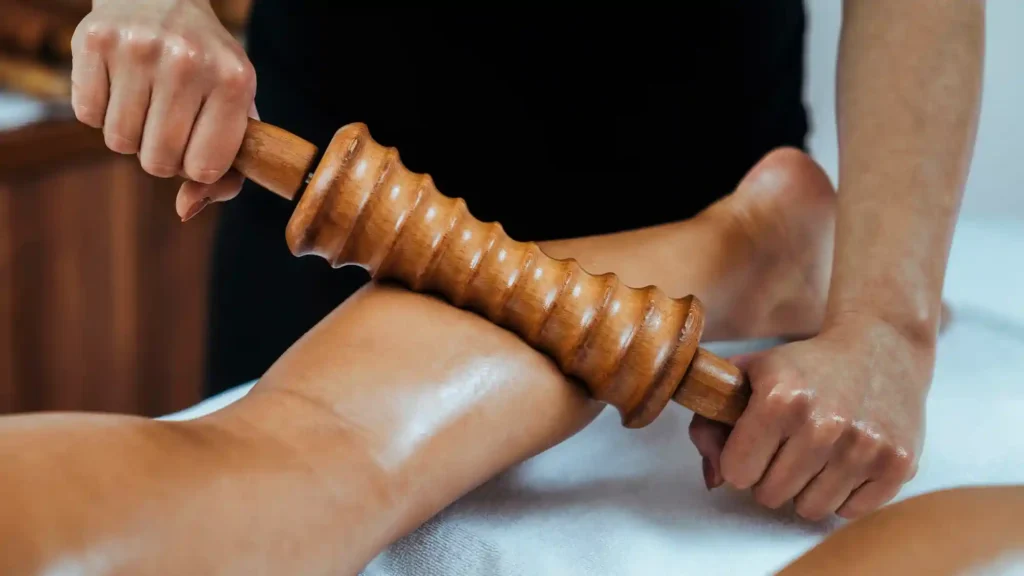
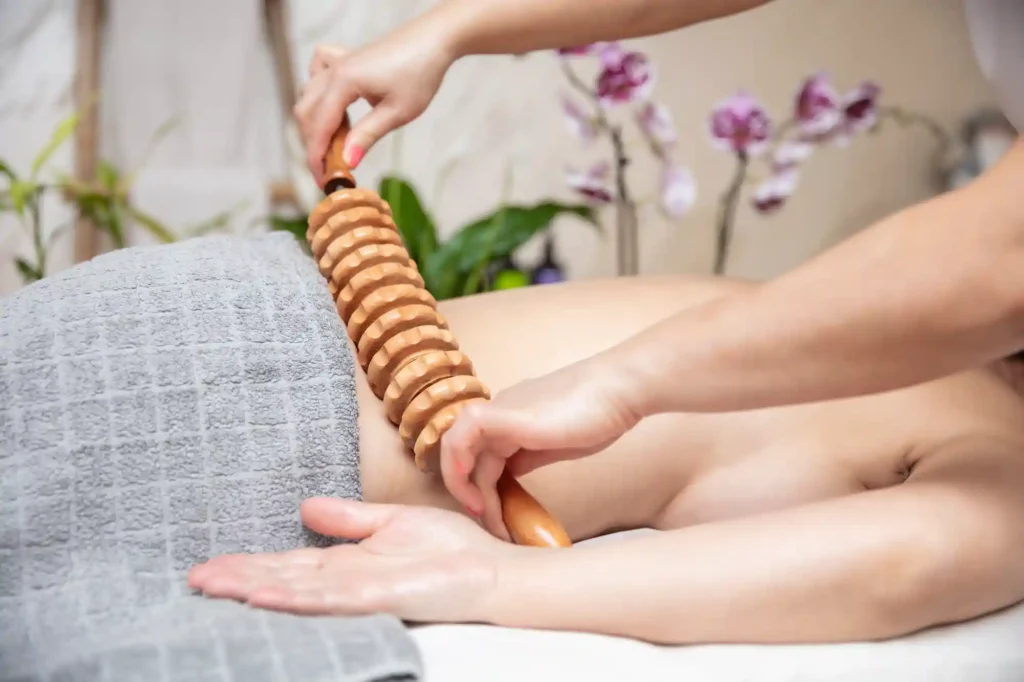
Maderotherapy, or wood therapy, is a holistic massage technique that uses specially crafted wooden tools to contour the body, reduce cellulite, and stimulate lymphatic drainage. Originating from Colombia, this treatment is as functional as it is natural, leveraging tools like rollers and cups to target stubborn fat deposits, improve circulation, and enhance skin elasticity.
The Benefits of Maderotherapy
Here’s why madero therapy has been making waves, especially among body contouring enthusiasts in Dubai:
- Targeted Fat Reduction
Maderotherapy excels at sculpting areas with stubborn fat, such as the thighs, abdomen, and arms. The wooden tools are designed to break down fat deposits, making it easier for the body to metabolize them. - Cellulite Reduction
One of the top maderotherapy benefits is its ability to diminish cellulite. The massage stimulates lymphatic drainage, smoothing out the skin’s surface and reducing the appearance of dimpling. - Enhanced Circulation
By boosting blood flow, maderotherapy not only helps with fat metabolism but also promotes healthier, more radiant skin. - Non-Invasive and Natural
Unlike some body contouring treatments, maderotherapy is entirely natural. There’s no need for needles, lasers, or downtime, making it an appealing choice for those looking for a holistic approach. - Relaxation with Results
Beyond its aesthetic perks, maderotherapy is deeply relaxing. The rhythmic motions of the wooden tools relieve muscle tension while delivering transformative body-shaping benefits.
How Does Traditional Massage Compare?
Traditional massage focuses on relaxation, muscle relief, and overall well-being. Depending on the type—be it Swedish, deep tissue, or aromatherapy—traditional massages are customized to address stress, pain, or recovery from physical exertion.
Key Benefits of Traditional Massage:
- Relieves muscle tension and stiffness.
- Reduces stress and promotes mental relaxation.
- Improves sleep quality.
- Boosts immune function through improved circulation.
While traditional massages excel at relaxation and therapeutic relief, they don’t target fat deposits or cellulite specifically.
Maderotherapy vs. Traditional Massage: The Differences
| Aspect | Maderotherapy | Traditional Massage |
|---|---|---|
| Purpose | Body contouring, cellulite reduction, lymphatic drainage | Relaxation, pain relief, stress reduction |
| Tools Used | Wooden instruments | Hands, sometimes oils or hot stones |
| Target Areas | Specific zones like thighs, abdomen, arms | Full body or specific tension areas |
| Results | Aesthetic and therapeutic | Primarily therapeutic |
| Downtime | None | None |
How to Choose the Right Treatment for You
Your choice between maderotherapy and traditional massage ultimately depends on your goals. If you’re focused on relaxation, easing muscle tension, or improving overall well-being, a traditional massage might be your best bet. On the other hand, if you’re looking to sculpt your body, reduce cellulite, and boost your lymphatic system, wood therapy offers a unique edge.
Why Maderotherapy Is Gaining Popularity in Dubai
Dubai is a city where wellness and aesthetics go hand in hand. As more people prioritize non-invasive yet effective treatments, maderotherapy has become a standout option. Its combination of relaxation and body sculpting aligns perfectly with the fast-paced yet wellness-driven lifestyle of Dubai residents.
Consultation and next steps
For an individual discussion, review our massage consultation. Shape Zoom Polyclinic is located in Al Safa 2, Dubai. Confirm the provider, suitability, treatment plan, full cost and follow-up before agreeing to a procedure.
This article provides general information and does not replace individual medical advice. Suitability, risks and results vary.