
C-Section Scar Treatment in Dubai: How to Improve Your Scar
For many women in Dubai and across the UAE, a C-section scar is more than a “line on the skin.” It can feel tight, itchy, numb, raised, darker than surrounding skin, or simply different—especially during Dubai’s hot summer months when clothing choices and beach season make scars more noticeable.
The good news: modern, non-surgical scar treatments can help improve the scar’s texture, color, thickness, and comfort. At ShapeZoom Polyclinic in Dubai, we create personalized care plans that may combine medical-grade topical care, energy-based devices, and regenerative therapies—often with minimal downtime and realistic, progressive improvement.
If you’re also concerned about postpartum skin changes such as stretch marks around the lower abdomen, our clinic frequently sees patients searching for stretch marks treatment dubai or stretch mark removal dubai. While a C-section scar and stretch marks are different conditions, they can be treated together in a coordinated plan—especially when time is limited in Dubai’s busy lifestyle.
Understanding C-Section Scars (and Why They Look Different in Each Person)
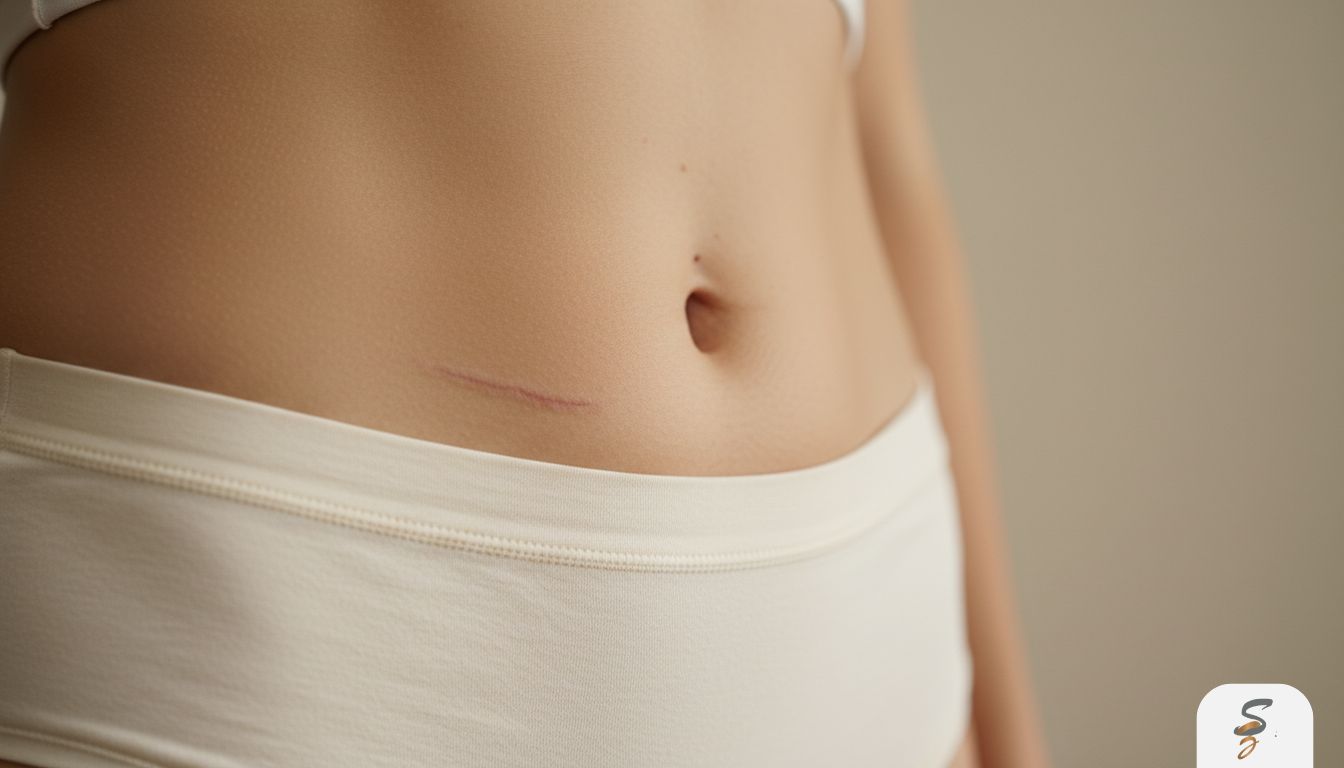
A C-section (cesarean section) creates a surgical incision, typically low on the abdomen (often called a “bikini line” incision). After delivery, your body repairs the incision through wound healing phases: inflammation, proliferation (collagen building), and remodeling (scar maturation). This remodeling can continue for 12–18 months or longer.
Several factors influence how your scar heals:
- Genetics and skin type: Some people are more prone to raised scars or keloids (overgrown scar tissue beyond the original wound).
- Scar location and tension: The lower abdomen moves with bending, sitting, and exercise, increasing tension on the healing tissue.
- Postpartum hormonal changes: These can affect pigmentation and skin elasticity.
- Infection or delayed wound healing: Any wound complication can increase scar thickness and discoloration.
- Sun exposure: UV exposure (common in Dubai) can worsen pigmentation and make scars appear darker.
Common C-Section Scar Concerns We See in Dubai
- Raised or thick scar: Often hypertrophic (raised but contained within the incision line).
- Dark or uneven color: post-inflammatory hyperpigmentation (darkening after inflammation) can be more noticeable in medium-to-deep skin tones.
- “Shelf” or indentation: A contour change where tissue above or below the scar sits differently.
- Tightness, pulling, or sensitivity: Sometimes related to adhesions (scar tissue binding layers together).
- Itching or discomfort: Common during healing and may persist if the scar is active or raised.
C-Section Scar vs. Stretch Marks: What’s the Difference?
Many postpartum patients have both a C-section scar and stretch marks on the abdomen, hips, or thighs. Stretch marks are not scars from surgery; they are micro-tears in the dermis caused by rapid stretching and collagen disruption.
In clinic, we often coordinate scar care with targeted postpartum skin rejuvenation. If your main concern includes stretch marks, you may benefit from a plan similar to our stretch marks treatmen approach—especially if you’ve been researching stretch marks treatment dubai or stretch mark removal dubai options.
Available C-Section Scar Treatment Options in Dubai (Non-Surgical and Medical)
Scar treatment is not “one-size-fits-all.” At ShapeZoom Polyclinic, we select options based on scar age, type (raised vs. flat), pigmentation, symptoms, and your postpartum timeline.
1) Medical-Grade Topicals and Silicone Therapy
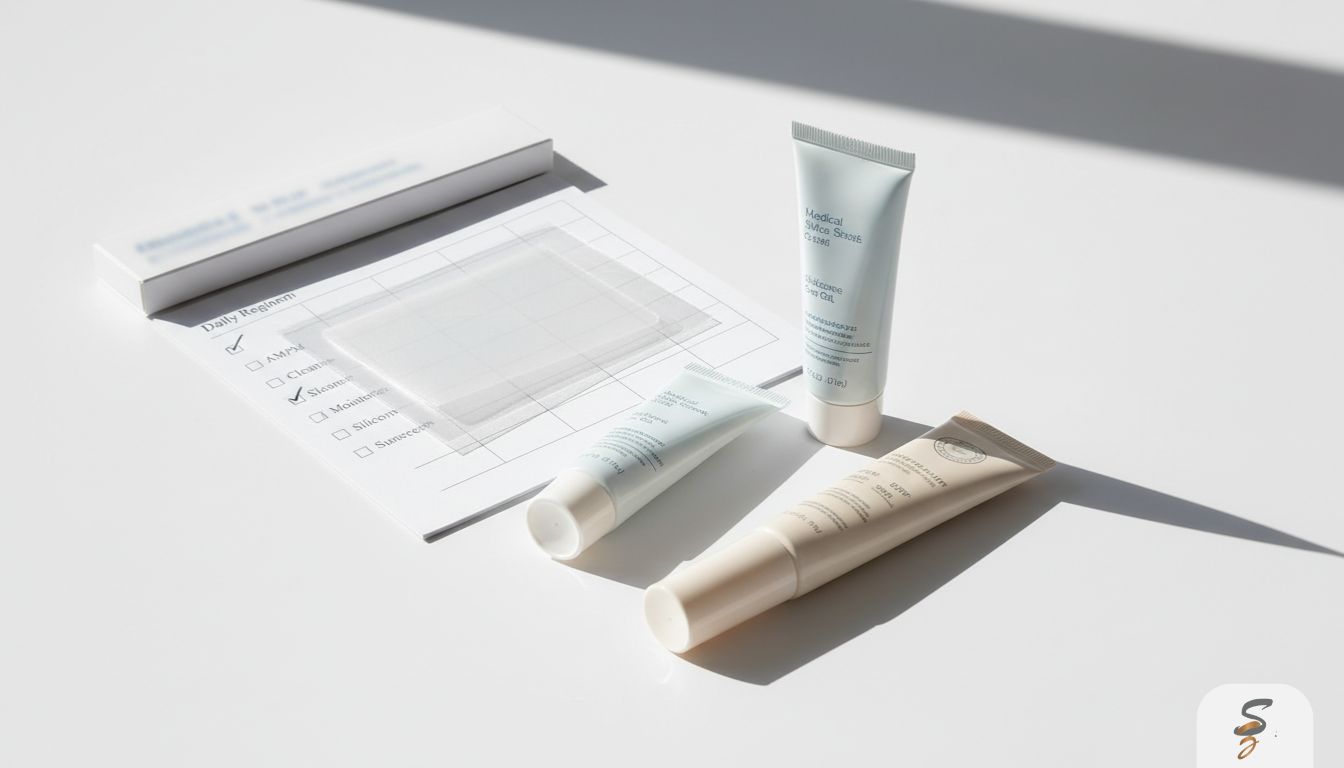
For newer scars (especially within the first year), topical scar care can be helpful. The most supported non-invasive option is silicone gel or silicone sheets, which can help hydrate the scar and reduce excessive collagen formation.
- Best for: Early scar management, mild raised scars, itchiness.
- Typical use: Daily application for 8–12+ weeks.
- Dubai tip: In summer heat, silicone gel may feel more comfortable than sheets for some patients.
2) Microneedling (Collagen Induction Therapy)
Microneedling creates controlled micro-channels to stimulate collagen remodeling. It may improve texture, mild indentation, and overall blending with surrounding skin. When combined with appropriate serums, it can support skin quality around the scar as well.
- Best for: Texture irregularities, mild depressed scars, scar softness.
- Sessions: Often 3–6 sessions, spaced ~4–6 weeks apart.
- Downtime: Usually 24–72 hours of redness.
3) Energy-Based Treatments (Laser / Light-Based Options)
Depending on your skin type and scar characteristics, energy-based technologies may help reduce redness, improve thickness, and refine texture. Device selection should be conservative and customized for pigmentation risk—an important point for diverse skin tones common in Dubai’s multicultural community.
- Best for: Redness, thick scars, texture changes.
- Considerations: Sun protection is essential in Dubai to reduce pigmentation risk.
4) Injectable Treatments (For Raised Scars When Indicated)
For hypertrophic scars or certain keloid-prone scars, a clinician may consider intralesional injections (medication injected into the scar) to reduce thickness and symptoms. This is a medical decision and requires assessment of scar type and history.
- Best for: Raised scars with itching, firmness, or continued growth.
- Sessions: Often a series, spaced several weeks apart.
- Important: Not every scar is suitable; overtreatment can thin the skin.
5) Carboxy Therapy (Circulation Support and Skin Quality)
Carboxytherapy involves controlled medical carbon dioxide (CO₂) administration to support microcirculation and skin revitalization. In some patients, it may be used as part of a broader postpartum plan to improve skin quality and appearance around the scar and stretch marks.
At ShapeZoom Polyclinic, patients often ask about carboxy therapy because it can be integrated with other non-surgical modalities and typically fits well into a busy Dubai schedule.
- Best for: Supporting skin quality, addressing surrounding postpartum skin changes.
- Sessions: Commonly multiple sessions for gradual improvement.
- Downtime: Usually minimal; mild swelling or tenderness may occur.
6) Scar Massage and Mobility Work (When Cleared by Your Doctor)
Once your obstetrician/gynecologist confirms the incision is fully healed, scar massage and gentle mobility work may help reduce tightness and improve comfort. This is especially relevant if you feel pulling when walking, exercising, or lifting your baby.
- Best for: Tightness, sensitivity, tissue mobility concerns.
- Safety note: Never massage an open wound or an area with infection, redness, or discharge.
What to Expect at ShapeZoom Polyclinic in Dubai
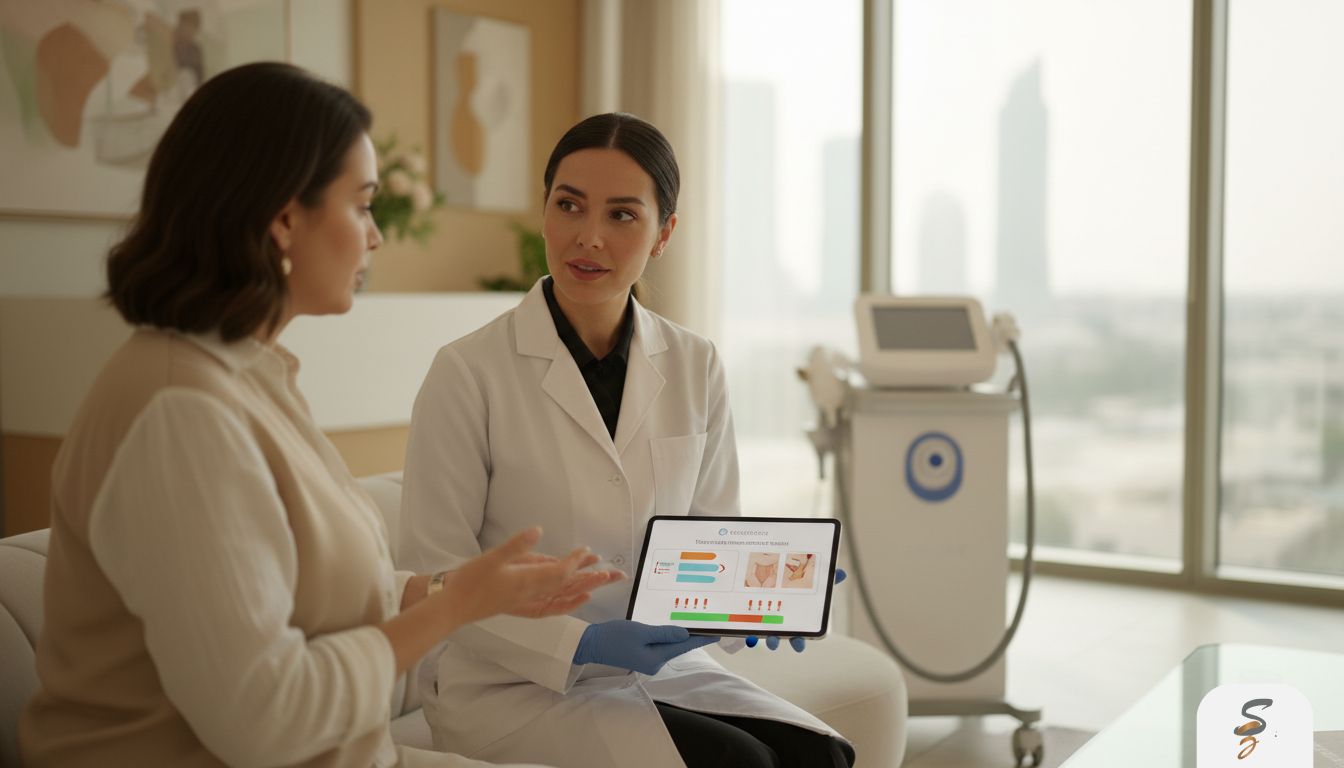
We follow Dubai’s healthcare standards and appropriate clinical protocols. Your visit typically includes a focused assessment and a realistic plan that respects your postpartum timeline, breastfeeding status, and skin type.
Step-by-Step Consultation Process
- Medical history review: Delivery timeline, wound healing, prior scar history (hypertrophic/keloid), medications, breastfeeding status.
- Scar assessment: Thickness, color, texture, symptoms (itching, pain, numbness), and surrounding skin quality (including stretch marks).
- Personalized plan: We may combine modalities—such as microneedling plus topical scar care—based on your goals and schedule.
- Aftercare guidance: Sun protection, gentle skincare, activity advice, and what to avoid.
Procedure Details: Timelines, Sessions, and Recovery
Scar remodeling is gradual. Most non-surgical options work by stimulating controlled healing and collagen reorganization. That’s why improvement is typically seen over weeks to months, not overnight.
| Treatment | Typical Session Duration | Recovery / Downtime | Estimated Cost (AED) |
|---|---|---|---|
| Silicone gel / medical topicals | Daily home use | None | 150–450 (product-dependent) |
| Microneedling (scar-focused) | 30–60 minutes | 1–3 days redness | 600–1,500 per session |
| Energy-based scar refinement (device-dependent) | 20–60 minutes | 0–7 days (varies) | 800–2,500 per session |
| Intralesional injections (when indicated) | 10–20 minutes | Minimal; mild tenderness | 400–1,200 per session |
| Carboxytherapy (adjunctive) | 15–30 minutes | Minimal | 350–900 per session |
Note: Pricing is approximate in AED and may vary based on scar size, treatment area, device selection, and package plans. A consultation is required for an accurate quote.
Benefits and Expected Results (Realistic Outcomes)
Most patients seek one or more of the following improvements:
- Benefit: Smoother texture and better blending with surrounding skin through collagen remodeling.
- Benefit: Reduced scar thickness for raised scars when treated appropriately.
- Benefit: Improved pigmentation uniformity (especially with strict sun protection).
- Benefit: Less tightness and improved comfort, particularly when adhesions or sensitivity are present.
- Benefit: Enhanced confidence in swimwear and fitted clothing—important for Dubai’s outdoor and beach lifestyle.
Pricing and Practical Considerations in Dubai (AED, Time, and Lifestyle)
In Dubai, patients often balance treatment goals with work schedules, childcare, and travel. When planning your scar improvement program, consider:
- Time commitment: Most protocols involve a series of sessions for cumulative improvement.
- Sun exposure: UV can worsen discoloration. Use high-SPF protection and keep the area covered when possible.
- Gym and activity: Some treatments require a short pause from intense exercise or sauna/steam to reduce irritation.
- Breastfeeding considerations: Many non-surgical options can still be considered, but your clinician will tailor the plan and avoid anything inappropriate.
- Combination plans: Combining scar and skin treatments may be cost-effective and time-efficient—especially for patients also exploring stretch mark removal dubai options.
Why Choose ShapeZoom Polyclinic in Dubai?
Choosing the right clinic matters—especially for postpartum care where skin sensitivity, pigmentation risk, and realistic expectations need expert handling.
- 17+ years of experience: ShapeZoom Polyclinic has supported patients in Dubai with evidence-informed, non-surgical aesthetic and wellness care.
- Personalized care plans: We tailor protocols to scar type, skin tone, and your lifestyle—no generic “one device fits all” approach.
- Patient education first: We explain what each treatment can and cannot do, including expected timelines.
- Nutrition support with Dr. Niloofar: Skin healing is influenced by overall health. Dr. Niloofar’s nutrition expertise can complement your postpartum recovery and body goals when appropriate.
- Dubai-based convenience: Appointments designed to fit busy schedules, with guidance aligned to local healthcare standards.
Schedule Your Consultation
Our specialists are ready to assess your C-section scar and create a realistic plan that suits your goals and Dubai lifestyle.
Frequently Asked Questions
When is the best time to start C-section scar treatment?
It depends on healing. Many patients begin gentle topical care after the wound is fully closed and cleared by their obstetrician. In-clinic treatments (such as microneedling or device-based options) are typically considered once the scar is stable and fully healed. Scar remodeling can continue for 12–18 months, so improvement is possible even for older scars—though newer scars may respond faster.
Is this treatment safe in Dubai?
When performed by qualified professionals in a regulated clinical setting, non-surgical scar treatments are generally considered safe. In Dubai, reputable clinics follow local healthcare standards and use appropriate protocols for infection control and patient assessment. Safety also depends on correct diagnosis (hypertrophic vs. keloid tendency), skin type, and aftercare—so it’s important to consult a specialist rather than self-treat aggressively.
Will C-section scar treatments also help stretch marks?
Sometimes, yes—especially when treatment targets collagen remodeling and skin texture. However, stretch marks and surgical scars are different, so the plan may include dedicated steps for both concerns. If stretch marks are a major focus, a specialist may recommend a program aligned with stretch marks treatment dubai goals, similar to our stretch marks treatmen services.
Does carboxytherapy help C-section scars?
Carboxy therapy may be used as an adjunct (supportive) option in a broader plan aimed at improving skin quality and the appearance of postpartum changes. Whether it is suitable for your scar depends on scar maturity, skin sensitivity, and your overall goals. A consultation helps determine if it should be combined with other treatments for better overall results.
How many sessions will I need?
Most scar-improvement protocols require multiple sessions. For example, microneedling often involves 3–6 sessions, while other modalities may require fewer or more depending on scar thickness and pigmentation. Your clinician will set expectations based on your scar’s age and how your skin typically heals.
What should I avoid after scar treatments?
After many in-clinic treatments, you may be advised to avoid sun exposure, hot baths/saunas, harsh exfoliants, and intense workouts for a short period. You should also avoid picking or scratching the area. In Dubai’s climate, sun protection is especially important to reduce the risk of pigmentation changes.
How much does C-section scar treatment cost in Dubai?
Costs vary based on the treatment type, number of sessions, and whether you’re combining scar care with postpartum skin treatments (including options often sought under stretch mark removal dubai). As a general guide, treatments may range from a few hundred AED per session to higher ranges for advanced device-based options. A personalized assessment is the best way to get an accurate plan and budget.
Conclusion: A Practical Path to a Smoother, More Comfortable Scar
C-section scars are common, and feeling self-conscious or uncomfortable is valid—especially in Dubai where climate, clothing, and an active social calendar can make scars feel more noticeable. With a medically guided approach, many patients can improve scar texture, color, and comfort over time.
If you’re also managing postpartum stretch marks, we can coordinate your scar plan with skin-rejuvenation options similar to our stretch marks treatmen protocols, and consider supportive options like carboxy therapy when appropriate.
Schedule Your Consultation
Ready to transform your health? Contact Shape Zoom Polyclinic today at +971 4 338 9684 or visit us in Dubai to book your consultation.