
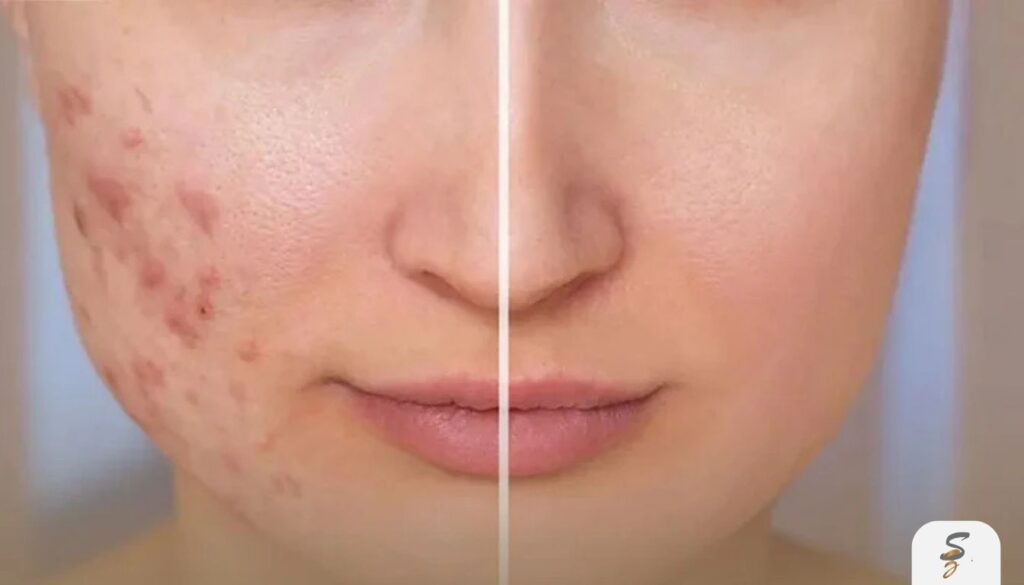
Advanced Scar Treatment in Dubai: From Acne to C-Sections
Scars can be more than a cosmetic concern—especially in Dubai, where a busy lifestyle, year-round social events, and beach season can make you feel constantly “on display.” Whether you’re dealing with post-acne marks, a surgical line, or a c-section scar, modern aesthetic medicine offers non-surgical options designed to improve texture, color, and overall skin confidence.
At ShapeZoom Polyclinic in Dubai, we approach scars with a structured plan: identify the scar type, assess skin health, then select technology-based and regenerative treatments that match your goals and schedule. If you are exploring professional scar treatment options, this guide explains what works, what to expect, and how to plan safely—especially for acne scars and post-delivery scars.
For patients whose scarring is linked to breakouts, controlling active acne is a key first step. Our team often pairs scar plans with medically guided acne treatment to reduce new inflammation and help protect results.
Understanding Scars: Why They Form and Why Some Persist
A scar is the skin’s natural repair response after injury, inflammation, or surgery. The body produces collagen (a structural protein) to close and strengthen the area. However, the final appearance depends on many factors: genetics, wound depth, infection risk, skin type, location (e.g., chest vs. face), and how the wound was cared for.
Clinically, scars are often described by shape and behavior:
- Atrophic scars: Indented scars (common after acne), including ice-pick, boxcar, and rolling scars.
- Hypertrophic scars: Raised scars that stay within the original wound boundary.
- Keloid scars: Raised scars that grow beyond the original wound boundary (more common in some skin types).
- Post-inflammatory hyperpigmentation (PIH): Brown discoloration after inflammation (not a true scar, but often treated alongside scarring).
- Post-inflammatory erythema (PIE): Red or pink marks after acne (common in lighter skin tones).
In Dubai’s climate, heat and sun exposure can intensify pigment changes and delay the fading of marks. That’s why sun protection and appropriate aftercare are essential parts of any scar plan.
Common Scar Concerns in Dubai: Acne Scars and C-Section Scars
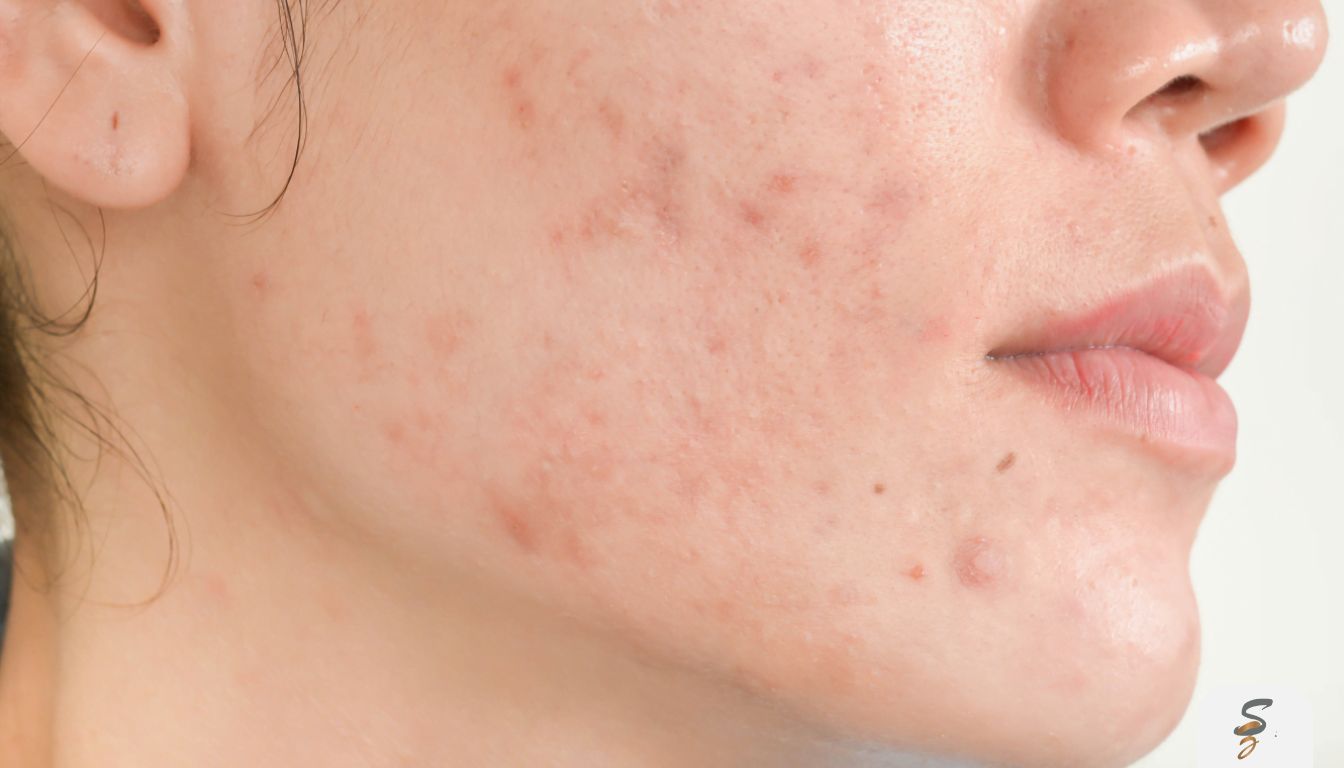
Acne Scars: More Than a Surface Issue
Acne scars often result from deeper inflammation that damages collagen. The earlier active acne is controlled, the lower the risk of new scarring. A combined approach—treating active breakouts and then addressing texture and pigment—typically delivers the most balanced improvement.
If you’re managing breakouts alongside scarring, a medically guided acne treatment plan can be an important foundation before starting more intensive scar procedures.
C-Section Scar: Healing After Delivery
A c-section scar is a surgical scar typically located along the lower abdomen. Beyond appearance, some women experience tightness, sensitivity, itching, or tethering (when scar tissue adheres to deeper layers). Postpartum hormonal changes and lifestyle demands can also affect healing.
At ShapeZoom Polyclinic, we use a stepwise approach for post-delivery recovery, including non-surgical options designed to improve scar texture and comfort. Patients looking for targeted solutions can explore our dedicated c section scar treatment services, which are planned around safe timelines after childbirth and medical clearance.
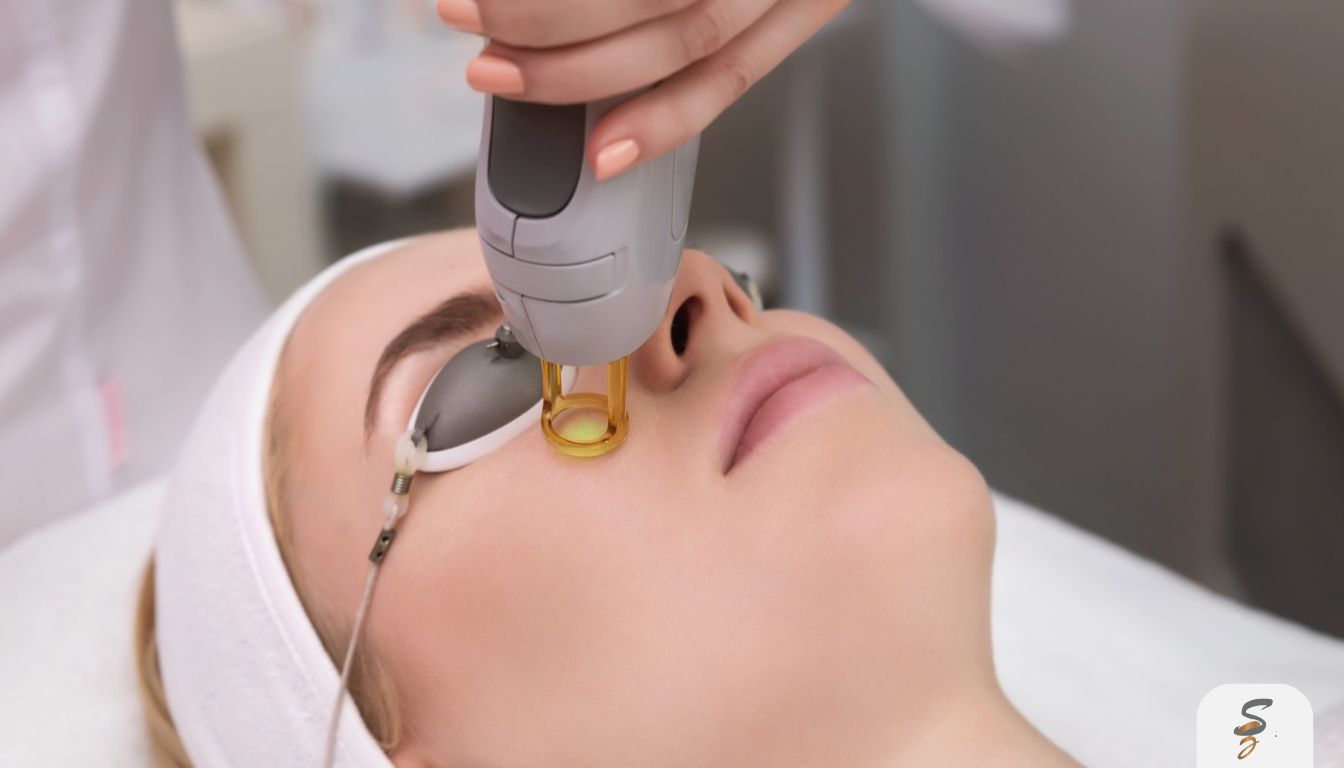
Scar Treatment Options in Dubai (Non-Surgical, Evidence-Informed)
Scar management is most effective when it is matched to scar type, skin tone, and healing stage. Below are common modalities used in modern aesthetic practice. Your clinician may recommend one or combine several for a layered result.
1) Fractional Microneedling (Collagen Induction)
Microneedling (controlled micro-injuries to stimulate collagen) can help improve atrophic acne scars and overall texture. Some devices add radiofrequency (RF) energy for deeper remodeling, depending on suitability.
- Best for: Rolling/boxcar acne scars, enlarged pores, mild surgical scars
- Considerations: Requires a series; redness is common for 24–72 hours
2) Fractional Laser Resurfacing
Fractional laser (laser energy delivered in micro-columns) can improve texture and pigment irregularities by encouraging skin renewal. The choice of laser and settings should be carefully selected for different skin tones common in the UAE to minimize pigment complications.
- Best for: Acne scars, texture irregularities, some surgical scars
- Considerations: Downtime varies; strict sun avoidance is essential in Dubai’s climate
3) Chemical Peels (Superficial to Medium Depth)
Chemical peel (controlled exfoliation using acids) can help with post-acne marks, uneven tone, and mild textural issues. Peels are also commonly used as part of maintenance between device-based sessions.
- Best for: PIH/PIE, mild acne scarring, dullness
- Considerations: Not all peels suit all skin types; post-peel care is critical
4) Subcision (Release of Tethered Scars)
Subcision (a minor procedure to release fibrous bands under depressed scars) can be particularly helpful for rolling acne scars. It’s often combined with microneedling or energy-based treatments for better remodeling.
- Best for: Rolling acne scars that “pull” the skin down
- Considerations: Bruising and swelling may occur; technique matters
5) Injectable Options (Selected Cases)
Some scars benefit from injectables:
- Scar-softening injections: For raised scars (e.g., hypertrophic or keloid tendencies), clinicians may use anti-inflammatory medication injections to reduce thickness.
- Fillers (selected acne scars): In some cases, temporary fillers can improve the appearance of certain depressed scars, often alongside collagen-stimulating treatments.
6) Silicone Therapy and Medical-Grade Topicals
For surgical scars (including a c-section scar), silicone gels or sheets can support scar maturation by improving hydration and reducing excessive collagen buildup. Topicals may also include pigment regulators (for discoloration) when appropriate.
What to Expect at ShapeZoom Polyclinic: Consultation to Care Plan
Because scars vary widely, your first visit should focus on accurate assessment and realistic goal-setting. In Dubai, reputable clinics follow DHA-aligned standards for patient safety, consent, and infection control.
Step 1: Scar Assessment and Skin Analysis
- History: Cause of scar (acne, surgery, injury), timeline, prior treatments
- Scar type: Raised vs. depressed, color changes, tethering, sensitivity
- Skin type: Important for choosing lasers/peels safely
- Lifestyle: Outdoor exposure, gym routine, travel, and Dubai’s sun/heat
Step 2: A Personalized Treatment Roadmap
Your plan may include a phased schedule—especially for acne scars—starting with skin barrier support and inflammation control, then moving into collagen remodeling sessions. If active breakouts are present, we may recommend combining scar care with professional acne treatment to reduce the likelihood of new marks.
Step 3: Procedure Sessions and Aftercare
Many scar procedures are designed to be non-surgical and compatible with Dubai’s fast-paced routines. However, “minimal downtime” still requires responsible aftercare—particularly sun protection, gentle cleansing, and avoiding harsh actives for a short period.
Schedule Your Consultation
Not sure which scar type you have? Our clinicians can assess your skin and build a realistic plan around your goals and schedule in Dubai.
Treatment Overview Table (Typical Ranges)
| Treatment | Duration | Recovery | Cost (AED) |
|---|---|---|---|
| Microneedling (± RF, depending on suitability) | 30–60 minutes | Redness 1–3 days | From 700–2,500 per session |
| Fractional laser resurfacing | 30–60 minutes | 3–7 days (varies by settings) | From 900–3,500 per session |
| Chemical peel (superficial to medium) | 20–40 minutes | Minimal to 3–5 days light peeling | From 350–1,200 per session |
| Subcision (selected acne scars) | 30–60 minutes | Bruising/swelling 3–10 days | From 1,200–3,000 per session |
| Silicone therapy / medical-grade topical protocol | Daily home use | No downtime | From 150–600 (product-dependent) |
Note: Pricing is indicative in AED and may vary based on scar severity, treatment area, technology used, and whether combination therapy is recommended after clinical assessment.
Benefits and Expected Results (Realistic Outcomes)
Modern scar treatment Dubai protocols aim to improve how a scar looks and feels—not to erase it completely. The goal is typically a smoother texture, more even tone, and softer scar edges that blend better with surrounding skin.
- Benefit: Improved skin texture by stimulating collagen remodeling over time.
- Benefit: Reduced visibility of indented acne scars with combination techniques (e.g., subcision + microneedling).
- Benefit: Better tone uniformity for post-acne marks and sun-amplified pigmentation common in Dubai.
- Benefit: Support for post-surgical scar comfort (tightness/itching) when appropriate and medically cleared.
- Benefit: Non-surgical approach with session-based planning suited to busy schedules.
Acne Scar Treatment in Dubai: A Practical, Stepwise Strategy
When patients search for acne scar treatment Dubai, they often want the fastest solution. In reality, the best results usually come from sequencing treatments correctly:
Phase 1: Control Active Acne and Inflammation
- Reduce new lesions to prevent new scarring.
- Support the skin barrier to tolerate procedures better.
- Consider a clinician-led acne treatment program if you still get frequent breakouts.
Phase 2: Address Texture (Indentations)
- Microneedling/RF microneedling for collagen stimulation.
- Subcision for tethered rolling scars.
- Fractional laser when appropriate for your skin type and downtime preference.
Phase 3: Address Color (Redness/Brown Marks)
- Targeted peels and pigment-safe topicals.
- Strict daily SPF (especially important in Dubai’s sun).
C-Section Scar Care: Timing, Safety, and Comfort
If you are concerned about a c-section scar, timing matters. Most energy-based or intensive procedures are considered only after the incision has fully closed and you have medical clearance. This is especially important postpartum, when sleep disruption, breastfeeding considerations, and hormonal changes may affect skin sensitivity.
At ShapeZoom Polyclinic, our c section scar treatment approach may include scar-softening strategies, collagen-stimulating sessions, and guidance on home care. The aim is to improve texture and pliability while respecting postpartum recovery.
- Comfort-focused goal: Reduce tightness and improve mobility of the scar tissue when appropriate.
- Appearance-focused goal: Help the scar become flatter, softer, and closer in tone to surrounding skin over time.
- Practical goal: Choose options that fit a new mother’s schedule, with sensible downtime planning.
Pricing and Planning in Dubai (AED): What Influences Cost?
In Dubai, scar treatment pricing can vary widely depending on technology, clinician expertise, scar size, and number of sessions. During consultation, we typically clarify the expected number of sessions and whether combination therapy is recommended.
Common factors that affect cost:
- Scar type and depth: Deep atrophic scars often require more sessions than superficial marks.
- Area size: Full-face acne scarring differs from a small localized scar.
- Technology used: Laser and RF-based devices may cost more than peels.
- Combination protocols: Subcision + microneedling may be planned for certain acne scar patterns.
- Aftercare needs: Medical-grade skincare and SPF are part of responsible outcomes.
Why Choose ShapeZoom Polyclinic in Dubai?
Choosing the right clinic is as important as choosing the right device. At ShapeZoom Polyclinic, we focus on medically guided, personalized care—especially for concerns like acne scarring and post-surgical scars.
- 17+ years of experience: Our team has extensive experience in aesthetic and wellness care in Dubai.
- Personalized care plans: Scar protocols are tailored to your scar type, skin tone, downtime tolerance, and goals.
- Holistic support: Dr. Niloofar’s nutrition expertise can support skin health and recovery as part of a broader wellness plan (where appropriate).
- Safety-first mindset: We follow DHA-aligned clinical standards, informed consent, and structured aftercare guidance.
If you’re comparing options for advanced scar treatment in Dubai, we encourage you to choose a clinic that prioritizes assessment, skin-type safety, and realistic outcomes.
Frequently Asked Questions
Is scar treatment safe in Dubai?
When performed by qualified healthcare professionals in a DHA-aligned clinical setting, scar treatments are generally considered safe. Safety depends on correct diagnosis (scar type), appropriate device settings for your skin tone, proper sterilization, and adherence to aftercare—especially sun protection in Dubai.
How many sessions will I need for acne scars?
Many patients require a series, often 3–6 sessions, depending on scar depth and type. Indented scars may need combination therapy (e.g., subcision plus collagen-stimulating treatments). Your clinician will estimate a plan after assessment. If acne is still active, starting with a structured acne treatment approach can help reduce new scarring.
Can a c-section scar be treated without surgery?
In many cases, yes. Non-surgical options may help improve texture, softness, and visibility over time. The best approach depends on how long it has been since delivery, how the scar healed, and whether there is tightness or discomfort. A dedicated c section scar treatment assessment can help determine safe timing and appropriate modalities.
Will scar treatment completely remove my scar?
Most medical and aesthetic treatments aim to improve scars, not erase them. You can often expect gradual improvement in texture and tone, with results building over multiple sessions. A realistic consultation will outline what degree of improvement is likely for your specific scar type.
Is there downtime after scar procedures?
Downtime depends on the treatment. Many options are designed to be compatible with busy Dubai schedules, but you may still experience redness, mild swelling, or peeling for a few days. Your clinician will advise when to resume gym, swimming, or sun exposure—these can affect healing.
What should I avoid after a scar treatment session?
Common recommendations include avoiding direct sun exposure, saunas/steam rooms, aggressive exfoliation, and certain active skincare ingredients for a short period. Use clinician-approved sunscreen daily. Aftercare instructions vary by procedure and skin type, so follow your provider’s guidance closely.
How do I choose the right scar treatment for my skin type?
Skin type and scar type should guide the choice—especially in a diverse city like Dubai where pigment sensitivity varies. A professional assessment helps reduce the risk of post-inflammatory hyperpigmentation and ensures energy-based devices and peels are selected safely. If you’re exploring options, a clinic-based scar treatment consultation is the safest starting point.
Conclusion: A Smarter Path to Scar Confidence in Dubai
From acne scarring to a post-delivery c-section scar, the most successful outcomes usually come from accurate diagnosis, combination treatment planning, and consistent aftercare—especially in Dubai’s sun and heat. With modern non-surgical techniques, many patients can achieve meaningful improvement in texture, tone, and overall skin confidence over time.
Schedule Your Consultation
Ready to transform your health? Contact Shape Zoom Polyclinic today at +971 4 338 9684 or visit us in Dubai to book your consultation.